1980 Report Highlights Connection Between Deadly Force and Increased Executions
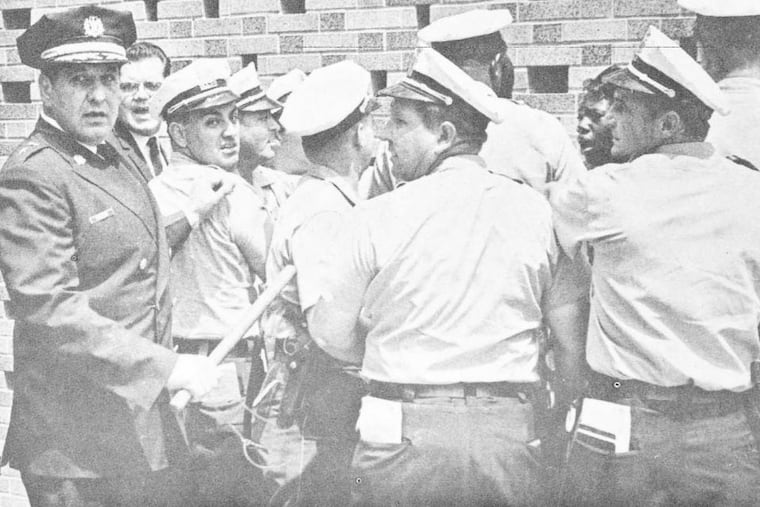
In an era marked by racial tension and public scrutiny, the ongoing controversy surrounding police practices in Philadelphia has come into sharp focus. The legacy of former Mayor Frank Rizzo, known for his authoritarian style and aggressive policing of minority communities, continues to evoke strong reactions and divisions within the city’s law enforcement and civic segments.
As discussions around police violence escalate, recent events highlight a troubling pattern of distrust that exists between minority communities and the police force. The case of Efrain “Frankie” Flecha, who turned himself in as a part of a broader pattern of individuals seeking refuge from police, illustrates the fear that minorities often harbor towards law enforcement. These surrenders are not merely acts of compliance but are symptomatic of a community’s deep-seated anxiety regarding police conduct, particularly among Black and Hispanic populations who perceive the force as a threatening entity rather than a protector.
The current landscape is starkly polarized, with organizations like the predominantly white Fraternal Order of Police (FOP) often opposing federal interventions, such as the U.S. Department of Justice’s lawsuit addressing police misconduct. In contrast, the Guardian Civic League, which represents predominantly Black officers, supports reforms aimed at curtailing excessive use of force. This divide underscores an alarming schism within the police department, reflecting broader societal divisions along racial lines.
Compounding these issues is the public debate surrounding the regulation of deadly force by officers. Critics argue that the historic and often indiscriminate use of force against minority communities fosters an atmosphere of fear and anxiety. Statistics reveal that while Black individuals constitute a significant percentage of crime victims, they are also disproportionately represented among those subjected to police violence.
Calls for reform have echoed through community forums and city council meetings, with advocates urging more equitable enforcement of laws. Residents of neighborhoods heavily affected by drug trafficking, such as Richard Allen Homes, have expressed a desire for robust law enforcement efforts that do not compromise the safety and dignity of the community members.
The conversation surrounding police practices is not merely about crime statistics; it encompasses complex historical grievances and current realities. Public sentiment indicates a readiness for change, as community members demand not just accountability, but also fairness in the application of the law.
As Philadelphia grapples with its fraught relationship with policing, the need for constructive dialogue between officers and the communities they serve has never been more critical. Building trust will require a commitment from both parties to engage in meaningful conversations that prioritize public safety and civil rights, thereby fostering an environment where all citizens feel secure and respected in their neighborhoods.
Media News Source