
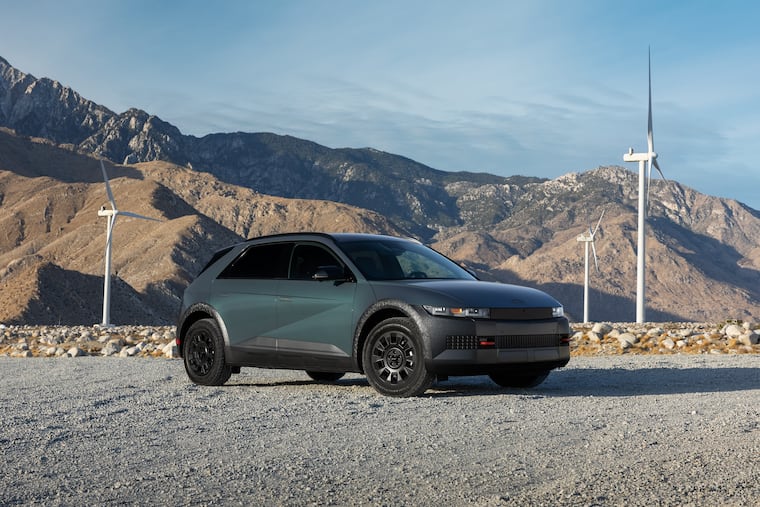
2026 Hyundai Ioniq 5 XRT Designed for Off-Roading on Rail Trails
The 2026 Hyundai Ioniq 5, priced at ,085, represents a notable entry in the expanding market of electric vehicles (EVs) with its newly released AWD XRT variant. The price increases slightly with the addition of floor mats, which adds 0 to the overall cost. Marketed as a versatile electric SUV, the Ioniq 5 XRT aims to blend off-road capability with the everyday functionality that many consumers seek in crossovers.
Recent evaluations from mainstream automotive sources indicate that while the Ioniq 5 XRT provides an enjoyable driving experience on less than ideal terrains, it does carry certain compromises for on-road performance. Critics highlight that while the model excels as an all-around vehicle with conventional features for daily use, its off-road enhancements may not be sufficient to distinguish it significantly from other models in the lineup, particularly given its pricepoint, which closely aligns with the high-end Ioniq 5 Limited trim.
With a refreshed appearance for 2025, the Ioniq 5 introduces several new features, including the NACS charging port, which facilitates access to Tesla’s network of superchargers—a significant perk for owners looking to benefit from extensive charging infrastructure. Enhancements across battery sizes seek to address range concerns inherent to many EVs, although the new XRT variant, boasting ruggedized cladding and slight elevation, retains a similar aesthetic to its predecessors that some critics liken to retro designs from the 1980s.
When considering competition, it is essential to acknowledge notable alternatives such as the Chevrolet Equinox EV, Ford Mustang Mach-E, Honda Prologue, and Tesla Model Y. Each of these competitors offers unique advantages that may sway potential buyers in various directions when evaluating features, price, and performance.
Performance metrics indicate that the Ioniq 5 accelerates from 0 to 60 mph in approximately 4.5 seconds, showcasing robust power delivery across its models. However, the driving experience is met with mixed reviews regarding interior engineering; notably, the innovative gear selector, which offers convenience in handling, faces scrutiny for its relatively cramped ergonomics for the climate controls.
In terms of passenger comfort and storage, the Ioniq 5 provides ample space, particularly beneficial for families and cargo needs. With a cargo capacity of 26.3 cubic feet, expandable to 58.5 cubic feet when rear seats are folded, it competes well with other electric vehicles designed for functionality without sacrificing style.
Overall, the 2026 Hyundai Ioniq 5 AWD XRT presents itself as a compelling option within the electric SUV market, although considerations regarding pricing and effective off-road capability linger. Potential buyers are encouraged to assess the comparative benefits of other models alongside the Ioniq 5 to ensure the best investment in their electric journey. Future discussions will turn to a comparison with the Volkswagen ID.4, providing further insight into the choices available in the growing EV landscape.
Media News Source


