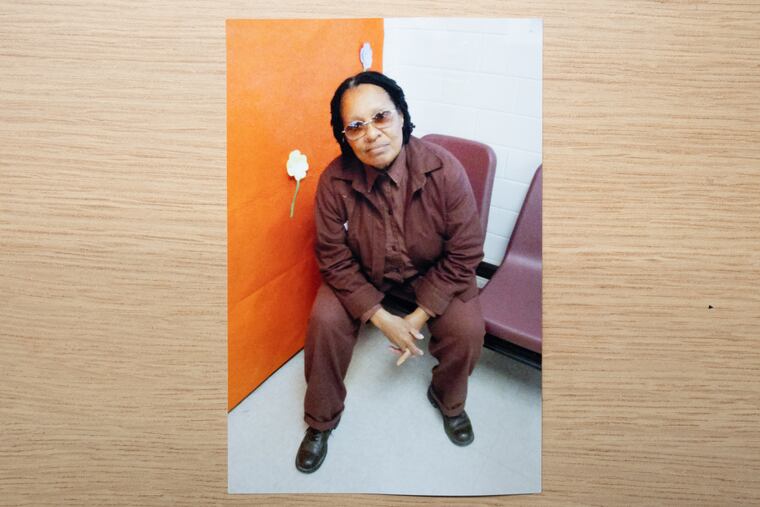
71-year-old Marie Scott, facing cancer, to testify before Pennsylvania Board of Pardons for early prison release request.
A 71-year-old woman, Marie Scott, who has been incarcerated for more than five decades for her involvement in a murder case, is set to appeal for clemency before Pennsylvania’s Board of Pardons. The pivotal hearing will take place on Friday. Scott was convicted in 1974 after a robbery at a Germantown gas station during which a cashier, Michael Kerrigan, was fatally shot.
In 1973, when Scott was just 19 years old and grappling with heroin addiction, she and her then-16-year-old boyfriend, Leroy Saxton, attempted to rob the gas station. Scott contends that she played the role of a lookout during the crime and was taken aback when Saxton shot Kerrigan in the back of the head. Both were subsequently arrested, with Saxton receiving a life sentence for first-degree murder, while Scott was convicted of felony murder, also resulting in a life sentence.
The legal landscape changed for Saxton in 2020 when he was released, benefiting from a U.S. Supreme Court ruling that overturned mandatory life sentences for juveniles. Conversely, Scott remains behind bars, facing significant health challenges including Stage 2 breast cancer. Following a double mastectomy late last year, medical advisors indicated she has less than a year to live. However, according to her attorneys, she does not qualify for compassionate release under current Pennsylvania legislation.
Scott’s case has garnered attention over the years, prompting her legal representatives from the Abolitionist Law Center to seek commutation through the Board of Pardons. Despite numerous applications being denied, this year marks a turning point as Scott has been granted a public hearing.
For her to be released, a unanimous vote from the five-member board is necessary, as well as final approval from Governor Josh Shapiro. Pennsylvania law stipulates that individuals charged with felony murder can receive mandatory life sentences, even if they did not directly cause a death. As one of only two states implementing such harsh penalties, this aspect of the law has faced criticism, with Shapiro indicating a belief in second chances and deeming the mandatory sentence “unjust.”
Testimony at the hearing will likely include statements from Kerrigan’s surviving relatives, who previously supported Scott’s release but have recently reversed their stance, citing a lack of sufficient remorse on her part. Additionally, representatives from the Philadelphia District Attorney’s Office and the Pennsylvania Department of Corrections may express their positions on the case.
The complexities surrounding Scott’s situation—her lengthy incarceration, health issues, and the emotional ramifications for Kerrigan’s family—highlight the contentious nature of clemency hearings, where the decision-making processes may lack transparency. As the hearing approaches, the community watches closely, aware of the implications for justice and the narratives of both the convicted and the victims involved.