Pennsylvania urged to lead in reducing methane pollution amid impending federal EPA rollbacks.
Methane, though an invisible greenhouse gas, poses significant health risks to communities in Pennsylvania, a concern that can no longer be overlooked. With over 1.2 million residents living within half a mile of active oil and gas sites, exposure to methane and its co-pollutants like benzene, which are linked to serious health issues including cancer and respiratory diseases, is a pressing issue. Vulnerable populations such as children, seniors, and low-income families are disproportionately affected by this environmental menace.
Field studies conducted in 18 Pennsylvania counties highlight the urgent need for a robust and enduring strategy to implement methane safeguards established by the Environmental Protection Agency (EPA). The existing environmental regulations introduced during the previous administration have come under scrutiny, necessitating a comprehensive approach that prioritizes both public health and environmental protection.
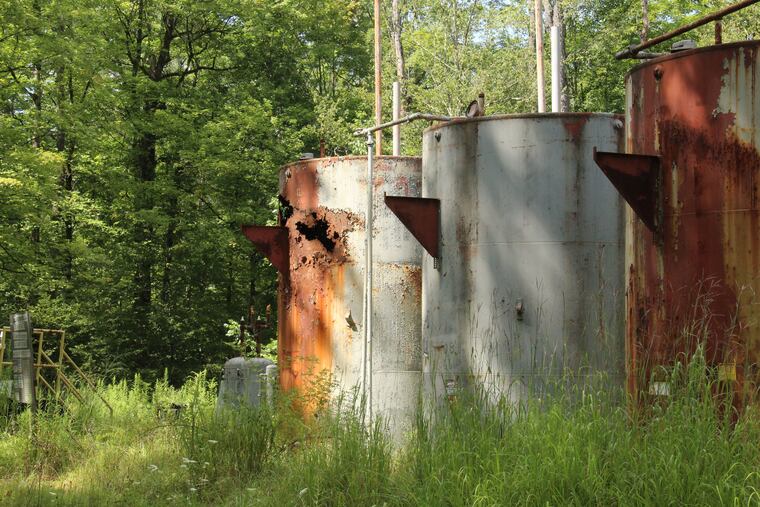
Interestingly, many so-called marginal wells, often touted as too insignificant for regulation, are owned by large energy companies fully capable of investing in essential leak detection and repair technologies. This indicates a misplaced focus on the notion of marginality, when in fact these operations must be integrated into statewide methane management strategies.
Pennsylvania stands at a critical junction where it can champion the cause of not only reducing methane emissions but also stimulating economic growth through the creation of well-paying jobs while addressing the increasing threat of climate change. A robust state-led methane reduction plan could create a framework that is resilient to potential shifts in federal environmental policies, making it vital that the Pennsylvania Department of Environmental Protection (DEP) anchors its regulations in state law.
A state-focused initiative should encompass the adaptation of EPA guidelines to better serve Pennsylvania’s unique needs. This includes expanding the frequency and extent of inspections, enforcing quarterly instrument-based leak monitoring at various well sites, and establishing rapid response times for addressing leaks. Moreover, coupling state-led efforts with emerging technologies, such as satellite data, could greatly enhance the monitoring of methane pollution while providing necessary resources to impacted communities.
As environmental challenges intensify, with increasing occurrences of heat waves, wildfires, and floods, the imperative for action grows more urgent. The recent EPA rules should be viewed not as the highest standard, but as a foundational step toward greater environmental accountability.
This pivotal moment presents an opportunity for Pennsylvania’s leadership, particularly Governor Josh Shapiro and the DEP, to position the state as a leader in methane reduction efforts. The health of families, communities, and the overall future of Pennsylvania hinge on decisive and effective measures to combat methane emissions. Addressing this issue is not just an environmental necessity; it is a moral obligation to protect the most vulnerable among us.
Media News Source