Philly Swiss watch retailers adapt to challenges posed by high tariffs under the Trump administration.
Switzerland, renowned for its neutrality, operates outside major alliances like NATO and the European Union, favoring its own currency, the Swiss franc. This solitary approach, however, has placed the country in a vulnerable position following the United States’ imposition of significant tariffs under former President Donald Trump’s administration. Recent data reveals that Switzerland faces the steepest tariffs of any industrial nation, with a 39% tax rate on its exports to the U.S., in stark contrast to the 15% levied on other European countries.
This situation severely impacts the Swiss luxury watch industry, which includes esteemed brands such as Rolex, Cartier, Omega, Audemars Piguet, and Patek Philippe. The industry, which produces approximately 16 million high-end watches annually valued at over billion, is heavily reliant on the U.S. market, the largest consumer of Swiss timepieces.
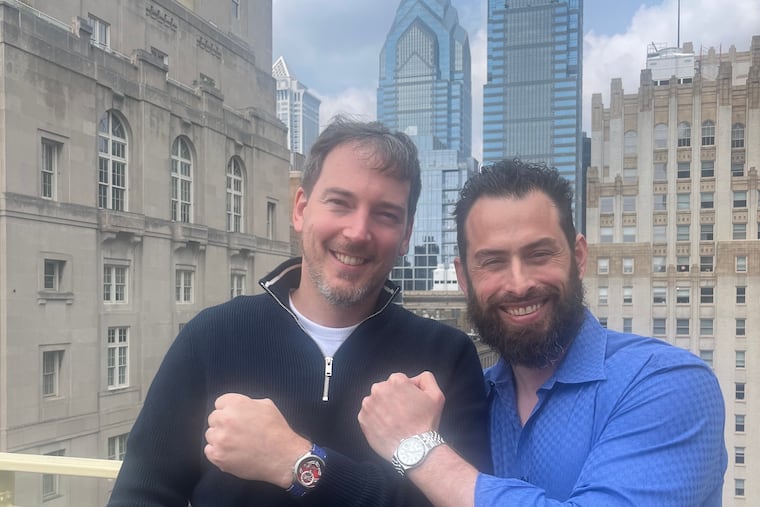
East Coast watch specialists Timothy Mancuso and Andrew Morgan are navigating the consequences of these tariffs, working to connect high-end watchmakers with U.S. collectors through exclusive events. Both have expressed concerns regarding not only the financial burden these tariffs impose but also the unpredictable regulatory landscape, which complicates long-term planning in an industry where stability is paramount.
In response to ongoing challenges, Oliver Ebstein of Chronoswiss has emphasized the importance of collaboration with retailers to mitigate the impact of tariffs, suggesting a shared cost approach amongst manufacturers, retailers, and customers, as necessary.
The implications of these tariffs have reached the highest levels of Swiss leadership. Recently, Swiss President Karin Keller-Sutter departed from Washington without achieving a resolution, reflecting the complexity of international trade relationships and the challenges faced by smaller manufacturers in the luxury watch market.
Historically, the Swiss watch industry has thrived due to its quality craftsmanship and skilled labor force. Despite facing competition, the unique infrastructure and artisanal fabrication methods in Switzerland remain unmatched. The U.S. represents 30% to 35% of the global watch market, indicating the critical nature of this relationship for sustaining demand.
As the industry grapples with rising costs and shifting consumer behavior, pre-owned watch sales are expected to surpass new models due to price inflation. Collectors increasingly view luxury timepieces not just as functional accessories but as valuable investments, fostering a robust secondary market.
In this environment, luxury watch sales encompass a diverse clientele, from professionals in various fields to entrepreneurs. The fascination with sophisticated timepieces evolves, shaping an industry that blends tradition with contemporary challenges, while watchmakers adjust their marketing strategies to emphasize experiences over traditional advertising.
As the situation unfolds, the future remains uncertain. Analysts predict that the industry may continue to face consolidation pressures. Significant acquisitions, like Rolex’s recent purchase of Bucherer for billion, indicate a trend toward larger entities streamlining operations amidst external challenges.
While some watchmakers contemplate relocating production to bypass U.S. tariffs, such a transition could require substantial time and investment, complicating efforts to maintain market presence. As the luxury watch community continues to adapt to these evolving economic conditions, the significance of the “Swiss Made” label remains a potent symbol of prestige, driving consumer interest and demand in the face of adversity.
Media News Source