Philly Swiss watch sellers adapt to highest tariffs implemented by Trump.
Switzerland, a nation renowned for its political neutrality and economic independence, finds itself grappling with the repercussions of recent U.S. trade policies. Unlike many European countries, Switzerland is not a member of NATO or the European Union and has opted to retain its own currency, the Swiss franc. Recently, the franc has appreciated against both the euro and the dollar. However, these unique characteristics have not shielded Switzerland from the impact of President Donald Trump’s import tariffs, which have placed a significant financial burden on the country’s key industries.
With a staggering 39% tax imposed on Swiss exports, Switzerland now faces the highest U.S. tariffs among industrial nations, contrasting starkly with the 15% tariffs levied on exports from other European countries. This situation is particularly challenging for Swiss luxury watchmakers, who constitute a vital segment of the national economy. Among these brands are renowned names such as Rolex, Cartier’s Richemont, Omega’s Swatch, Audemars Piguet, and Patek Philippe. The U.S. serves as the largest market for Swiss watches, making this tariff an especially consequential issue.
According to a recent report by Morgan Stanley, the fifty leading Swiss watchmakers produced approximately 16 million high-end watches in 2022, with a total value exceeding billion. This figure reflects a slight decline from the record output of the previous year. The imposition of hefty tariffs is prompting industry leaders to explore various strategies to mitigate these increased costs.
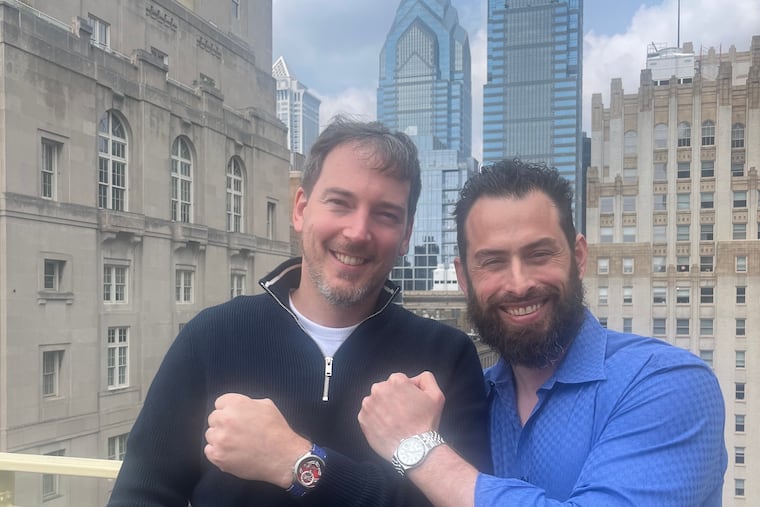
Key figures in the U.S. watch sector, such as Timothy Mancuso and his business partner Andrew Morgan, are actively working to facilitate connections between high-end watchmakers and American collectors. Essential to this undertaking is the evaluation of the tariffs’ broader implications for long-term planning within the high-end watch industry. Richard Benc, founder of Studio Underd0g, has indicated that the uncertainty around trade regulations complicates the strategic framework necessary for sustained growth. The collaborative approach among manufacturers, retailers, and, if necessary, consumers is being discussed as a potential pathway to share the burden of these tariffs.
In a recent interview, Mancuso and Morgan elaborated on the importance of fostering relationships within the U.S. watch market, effectively cementing connections that transcend mere transactions. Such efforts emphasize the cultural significance of watch ownership in the U.S., where the affluent demographic continues to invest in high-end timepieces as a means of expressing personal identity and status.
As the landscape of the luxury watch industry continues to evolve, the implications of increased tariffs may trigger a ripple effect on both pricing structures and consumer purchasing behavior. The U.S. holds a notable 30% to 35% share of the global watch market, which may prompt manufacturers to reconsider their distribution strategies, even exploring the establishment of U.S.-based subsidiaries as a long-term response to the changing trade environment.
In light of these developments, it remains to be seen how Swiss watchmakers will navigate the challenges posed by both tariffs and shifting consumer dynamics. The preservation of the prestigious “Swiss Made” label—which signals quality and craftsmanship—will undoubtedly remain a cornerstone of their strategy as they seek to engage a discerning clientele in an increasingly competitive market.