
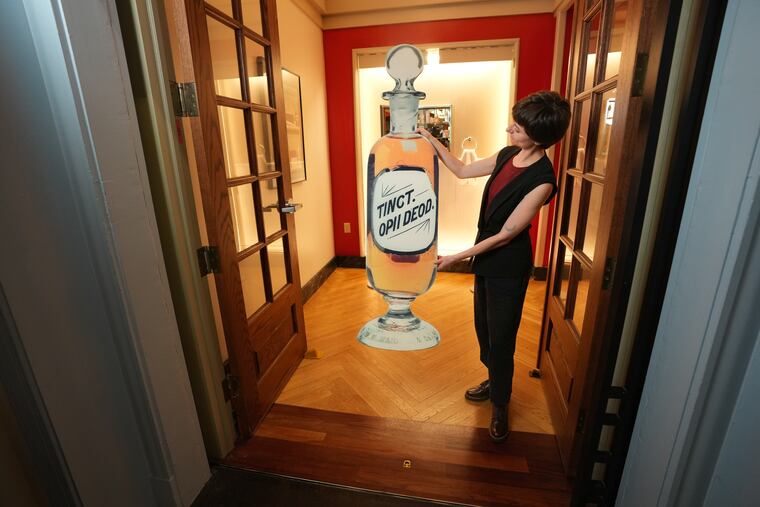
Philly celebrates its pharmaceutical history with an exhibition featuring medicine bottles, capsules, razors, and combs.
Philadelphia is renowned as a city of firsts, and its contributions to the field of pharmacy are no exception. The Philadelphia College of Pharmacy, recognized as the first pharmacy college in North America, has been a significant institution in the education and evolution of pharmaceutical sciences. Home to the Marvin Samson Museum for the History of Pharmacy for the past 30 years, this historic Greco-Roman style building in West Philadelphia is poised for a renaissance following extensive renovations.
The museum, which suffered significant water damage due to flooding, is reopening its doors with enhanced features, including new lighting and a fresh coat of paint. Notably, the revitalized space will host its inaugural art exhibition, which is a significant addition to its large collection of pharmaceutical artifacts. Originally transformed from an old college bookstore in 1995 by Marvin Samson, president of Samson Medical Technologies, the museum has since developed into a repository of historical medical items and memorabilia.
Among its initial offerings were a variety of artifacts such as early prescription bottles and European-made medicine containers, all collected by Samson throughout his career. Samson has always emphasized the importance of Philadelphia in the pharmaceutical sector, which hosts major companies like Johnson & Johnson and Merck. His vision for the museum reflects an understanding of the city’s rich pharmaceutical heritage.
The newly designed museum space features a 1,000-square-foot area styled as an early 20th-century apothecary, incorporating traditional design elements like metal ceilings and oak wood floors. It previously focused exclusively on local pharmaceutical history and will soon reintroduce this focus with modern enhancements, led by collections manager and assistant curator Emma Gunuey-Marrs.
The first art exhibition, titled “Indications,” will debut shortly. Curated by Teresa Cervantes, an artist-in-residence, the exhibition draws on themes from apothecary practices, pharmaceutical advertising, and visual arts. Featured pieces include 17th-century European armorial pharmacy bottles and innovative interpretations of traditional medicine advertising.
Cervantes, who is a Temple University graduate currently based in North Carolina, began her collaboration with the museum in early 2023. Her original works, including drawings that capture everyday medicine cabinets within the university community, underscore the interplay between art and pharmacological science. The exhibition seeks to foster dialogue among artists, pharmacists, and the general public, prompting discussions on health, artistry, and community.
Cervantes noted the collaborative spirit she found within the museum’s updated mission and expressed excitement for the conversations her work will inspire. Visitors to the exhibit can anticipate a unique perspective on the intricacies of pharmacy and art, alongside a selection of artifacts ranging from pharmaceutical company memorabilia to personal items reflecting healthcare practices.
Samson is optimistic that the revitalized museum will attract more visitors interested in Philadelphia’s pharmaceutical legacy. The engaging new layout and scheduled programming changes aim to create a meaningful connection with the public while preserving the historical significance of the pharmacy industry.
The “Indications” exhibition will be on display through November 29 at the Griffith Hall Gallery, located at Saint Joseph’s University, 5600 City Avenue, Philadelphia. For further information, visitors can explore the museum’s official website.


