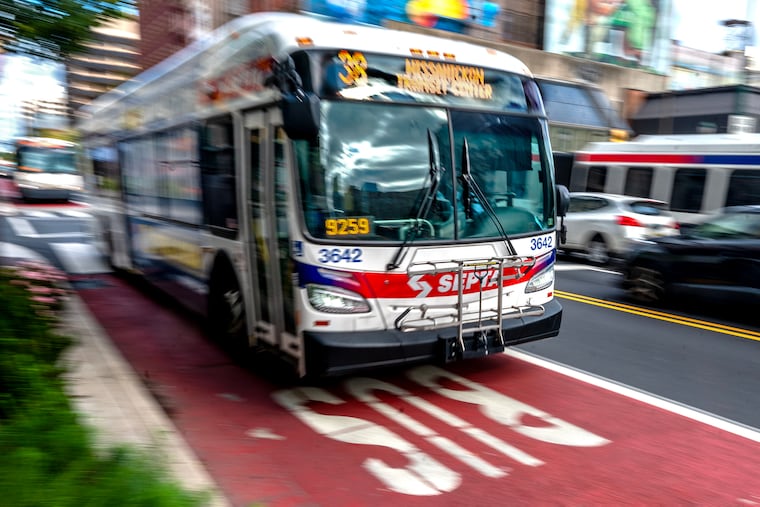
SEPTA service cuts loom as officials express doubt about a swift solution from state leaders.
SEPTA, the transit agency serving Philadelphia and its surrounding areas, is facing significant service cuts effective this Sunday due to a looming 3 million deficit in its operating budget for the 2026 fiscal year, which commenced on July 1. The impending cuts include substantial reductions in bus, metro, and trolley services, along with decreased midday frequencies on Regional Rail lines and a fare increase of 21.5%.
In light of the critical funding shortfall, SEPTA’s General Manager indicated that even if a financial agreement were to be finalized in Harrisburg shortly, restoring full service levels would be overwhelmingly challenging. The current state budget has been overdue for nearly two months, casting doubt on the likelihood of immediate solutions.
Despite the urgency of the situation, SEPTA officials made it clear that they are prepared to implement the cuts. The proposed funding from Governor Josh Shapiro, estimated at 8 million, falls short of addressing the transit agency’s budgetary needs. This financial strain comes at a particularly inopportune moment, as local students prepare to return to school on Monday, further complicating the agency’s operational landscape.
In response to the imminent changes, SEPTA transit police have announced enhanced security measures during high-traffic periods, especially in the afternoons when students are traveling. The agency plans to significantly increase police presence along numerous routes to ensure student safety amidst the uncertainty of service reductions.
Additionally, the agency has advised sports fans planning to attend events at the South Philadelphia sports complex to anticipate longer wait times following games. Specifically, after a Phillies game against the Washington Nationals, SEPTA is expected to accommodate 20% fewer trains than usual. This reduction will be particularly pronounced during the Eagles’ home opener against the Dallas Cowboys, where fans are likely to encounter extended delays due to a limited number of trains, potentially leading to a longer than usual wait for those leaving the stadium.
As the clock ticks down to the implementation of these cuts, SEPTA officials are under increasing pressure to navigate this complex situation effectively. The agency’s ability to manage the fallout from these service reductions will be closely watched by commuters, students, and sports fans alike in the coming days.
This unfolding situation underscores the broader challenges facing public transportation systems nationwide as they grapple with funding disparities while trying to deliver essential services to the communities they serve.
Media News Source