
Healthcare organizations are working to address the increasing issue of homelessness among the elderly population.
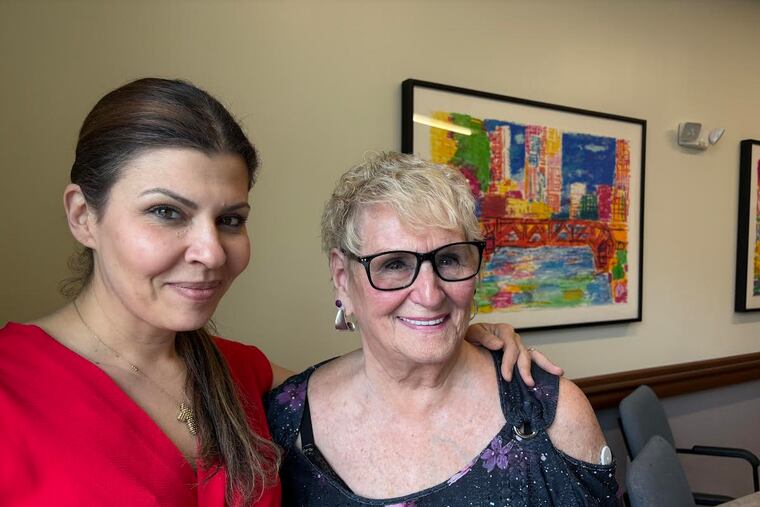
In Bristol, Rhode Island, an 82-year-old widow named Roberta Rabinovitz faced a disheartening reality after losing both of her daughters to cancer and subsequently living with her brother in Florida until his passing. After enduring significant personal loss, she found herself in a precarious living situation at her grandson’s home, where navigating daily routines became a challenge due to her recent recovery from lung cancer.
As housing costs continue to soar across the United States, Rabinovitz’s plight reflects a broader issue confronting an increasing number of older Americans grappling with homelessness. Unaffordable rents have compounded the struggles of this demographic, leaving many without stable living arrangements. Fortunately for Rabinovitz, she turned to the PACE Organization of Rhode Island, a healthcare nonprofit that addresses housing needs among the elderly. PACE, which stands for Program of All-Inclusive Care for the Elderly, aims to keep frail older adults in their homes, but housing shortages are forcing these organizations to expand their focus beyond healthcare.
With the rising costs of housing, organizations providing medical care are recognizing their responsibility to ensure clients have stable homes. Recent trends illustrate that hospitals across various cities, including Denver and New Orleans, are also taking steps to invest in housing options, thus acknowledging that health outcomes are directly linked to secure living conditions.
The situation for older adults is dire, with more than 20% of the homeless population in the U.S. now comprising individuals aged 55 and older. This demographic has seen a six percent increase in homelessness from the previous year. Notably, individuals over 60 living in shelters has tripled from 2000 to 2020. Experts in the field, like Dennis Culhane, a professor at the University of Pennsylvania, highlight the troubling reality that systemic failures have left many elderly and disabled individuals vulnerable, calling it a national scandal that the wealthiest nation harbors destitute seniors.
Compounding these challenges, shifts in federal funding for Medicaid, exacerbated by legislative decisions, threaten to leave many older adults without health coverage. Experts assert that this deteriorating financial landscape could jeopardize the health and stability of already vulnerable populations. Meanwhile, organizations like PACE are compelled to navigate these treacherous waters by entering partnerships with housing providers and even engaging in real estate ventures.
As of now, over 185 PACE organizations exist throughout the United States, providing comprehensive care to more than 83,000 participants. These organizations serve as lifelines for impoverished individuals with chronic medical conditions, integrating essential healthcare services and housing support. With an emphasis on maintaining independence for elderly individuals, PACE programs are adapting strategies to encompass housing initiatives, emphasizing the importance of shelter as a cornerstone of health.
In Detroit and San Diego, local PACE programs are pioneering collaborative efforts with housing providers to ensure that vulnerable seniors receive not only medical assistance but also the resources necessary for maintaining stable living conditions. For instance, PACE Southeast Michigan is partnering with housing owners to keep rents affordable, demonstrating a pragmatic approach to addressing the intertwined issues of healthcare and housing.
Rabinovitz’s recent relocation to a supportive environment managed by PACE highlights the potential for targeted community interventions to make a difference in the lives of seniors facing housing insecurity. Now residing in a modest studio apartment, she enjoys access to medical care through PACE’s outreach and support, illustrating the transformative impact of integrating housing solutions within healthcare frameworks. As the dialogue around elder homelessness gains momentum, the ongoing efforts of organizations like PACE may pave the way for a more robust and compassionate response to a pressing societal challenge.
In summary, the convergence of rising housing costs and an aging population has ignited a crisis that necessitates multifaceted solutions. Collaborative initiatives and community-focused programs are essential in addressing the intricate web of issues surrounding elder homelessness and health care, underscoring the urgent need for innovative strategies in ensuring that all seniors have a dignified place to call home.


