Shoppers remain loyal to certain brands despite increased prices from tariffs.
In a strategic shift aimed at targeting affluent consumers, Ralph Lauren has significantly enhanced its premium product offerings over the past eight years. This initiative has resulted in the average price per item sold doubling, according to insights shared during a recent earnings call by CEO Patrice Louvet. The company is capitalizing on the current market dynamics where higher-income shoppers are distancing themselves from traditional luxury brands, while middle-income consumers are adopting a more discerning approach to their spending, influenced by rising tariffs and inflation.
Ralph Lauren’s strategy, which emphasizes “value proposition” through quality and elevated pricing, has positioned the brand to attract a more discerning clientele willing to pay full price. Louvet noted that this approach has succeeded in drawing a lucrative consumer base, reflecting a broader trend where numerous brands, including Coach, Birkenstock, and Urban Outfitters, are similarly maintaining customer loyalty while introducing new products.
Brand equity has emerged as a critical factor in navigating the current economic challenges. Experts, such as Simeon Siegel from BMO Capital Markets, argue that companies with solid brand equity can better endure volatility in costs due to tariffs or supply chain disruptions. The ability to raise prices without a significant drop in sales demonstrates the strength of the brand’s image and consumer perceptions.
Birkenstock, known for its popular cork-soled sandals, recently raised prices on some products but did not report any adverse effects on sales, indicating robust consumer confidence. This adaptability reflects an ongoing trend where retailers are dealing with inflationary pressures, as evidenced by the core consumer price index rising 3.1% year over year. Economists anticipate that prices will continue to rise as retailers deplete existing inventory and face increased import costs.
As consumers become increasingly selective, they are prioritizing value over impulsive purchases. There is a growing emphasis on quality, prompting brands to demonstrate why higher price tags are justified. Retail analysts are closely monitoring which companies succeed in convincing consumers that premium items, such as 0 sneakers or 8 blazers, offer value that merits the expense.
This evolving consumer landscape appears advantageous for brands like Ralph Lauren, Coach, and Anthropologie, which are positioned between luxury and accessible luxury markets. As affluent buyers migrate from traditional luxury labels like Louis Vuitton and Gucci, these brands are becoming attractive alternatives. Ralph Lauren recently reported a 14% increase in net revenue, reaching .7 billion in its first quarter, supported by strong performance in its direct-to-consumer segment.
Similarly, Coach is resonating well with younger consumers, particularly Gen Z and millennials, with over 6.8 million new customers reported in North America over the past fiscal year. The brand’s improved design and fashion-forward approach have spurred increased purchasing frequency among its diverse customer base. Coach’s parent company, Tapestry, witnessed its stock price nearly double in the last year, underscoring the effectiveness of its strategy.
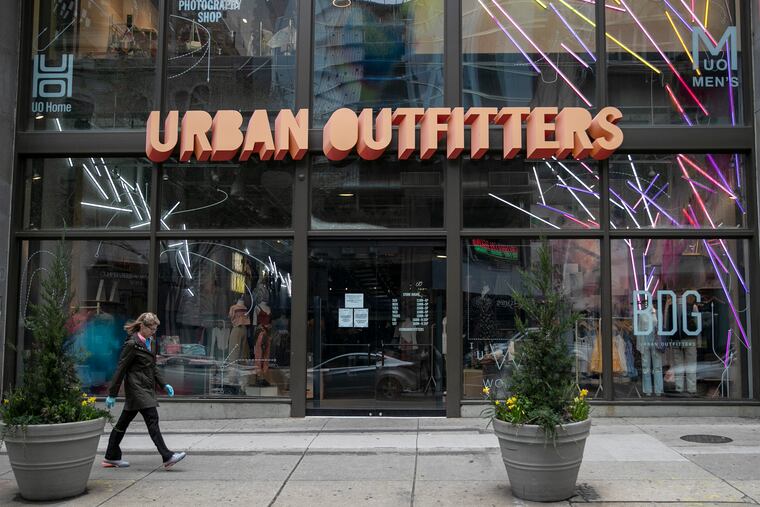
Urban Outfitters and its various brands are adopting a carefully calibrated approach to pricing, focusing on attracting customers willing to pay full price rather than relying on sales and discounts. Recognizing the need for perceived value in pricing, retailers like Ralph Lauren and Coach are shifting their pricing strategies to maintain quality perceptions and reinforce brand loyalty amidst challenging economic conditions.
While some brands successfully navigate pricing increases, analysts caution that not all will fare equally well. Firms that lack strong consumer relations and fail to justify price hikes may face backlash as shoppers become more price-sensitive. Those brands that foster genuine value in their offerings may ultimately thrive, while others may resort to aggressive promotions to clear inventory in a competitive market.