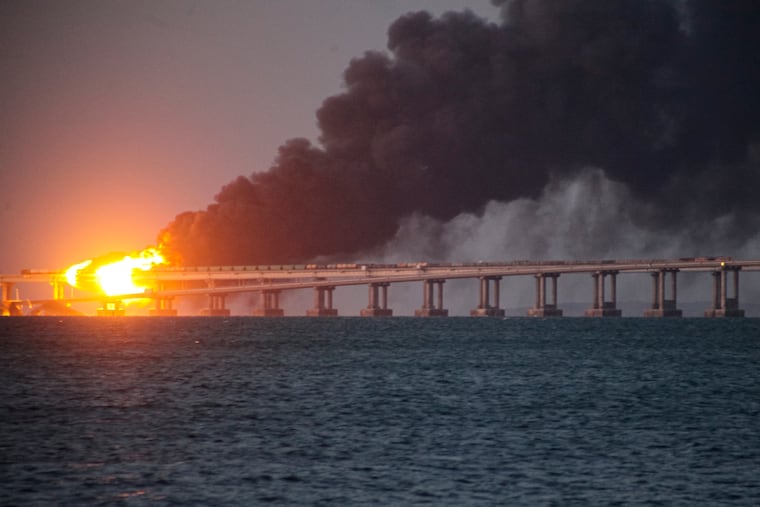
Ukrainian intelligence elite units target significant Russian locations in recent operations.
In Eastern Ukraine, the landscape of warfare has evolved dramatically, particularly in the use of drone technology. Slava, a 43-year-old former commercial director and journalist, has become a prominent figure in this transformation. Appearing markedly different from the last time he was seen in Kyiv a year ago, Slava commands an elite drone unit within the Ukrainian Defense Ministry’s military intelligence service, known as HUR. This unit has been tasked with some of the most hazardous operations aimed at crippling Russian military logistics from within its borders.
With his team operating from the front lines, Slava’s unit strategically deploys long-range drones to target vital Russian military sites. These missions are not only about retaliation; they also showcase a significant shift in operational warfare strategies. Due to restrictions on using advanced U.S. weaponry like the ATACMS missiles, Ukraine is compelled to innovate continually. Drones, which are considerably more economical than traditional missile systems, have become integral to Ukraine’s tactical approach. As Slava notes, the number of drones required to achieve the same impact as one missile is significant, yet the cost-effectiveness of drones plays a crucial role in modern military operations.
One notable success was Operation Spiderweb, which resulted in substantial damage to Russian aviation assets, including advanced bombers. This operation highlighted Ukraine’s ability to leverage cheaper drone technology creatively. On the same day, HUR successfully targeted key logistical points in the Donbas region, showcasing a multi-faceted approach to destabilizing Russian supply lines.
The innovations do not stop at offensive measures; defensive capabilities are also being developed to counter threats from Russian drones. Slava discusses advancements in intercepting Iranian-designed Shahed drones, emphasizing the rapid pace of technological progress amid the ongoing conflict.
However, the challenges remain. Russian forces are quickly adapting to Ukrainian strategies, necessitating continuous innovation. Slava points out that the approach taken by the United States in military doctrine appears outdated in light of current drone warfare realities. He argues for a reassessment of operational flexibility and decentralization in military strategies to combat the evolving nature of conflict.
European nations, particularly those close to the conflict, display a heightened awareness of the need for updated military strategies. They are actively seeking to learn from Ukraine’s experiences, recognizing the imperative to adapt to an ever-changing battlefield.
Ultimately, the ability of Ukraine to leverage its drone technologies effectively hinges on adequate funding and resources for research and development. As the pressures of the war persist, ensuring that advancements are made in this vital sector will be crucial for maintaining an edge in future confrontations. The developments in Ukrainian drone warfare serve as a pivotal case study for military circles worldwide, signaling a potential shift in the paradigms of modern conflict. Media News Source.