Trump plans to extend military crackdown to Chicago.
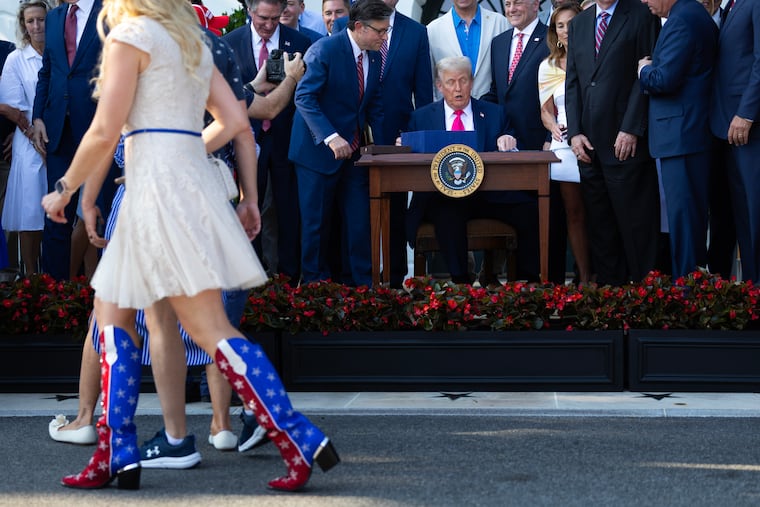
President Trump recently indicated plans to potentially deploy National Guard troops to Chicago as part of a broader strategy to combat crime in major urban areas, a move that has prompted significant pushback from Democratic leaders. During a White House ceremony on Monday, Trump celebrated the presence of military personnel in Washington, D.C., touting it as a necessary response to rising crime rates. He also expressed a desire to extend this initiative to cities like Chicago, asserting that the situation there is dire.
Trump described Chicago as a “disaster” and referred to the city as a “killing field.” He emphasized the administration’s readiness to mobilize forces quickly, stating that they could be deployed with only 24 hours’ notice. His remarks come amid ongoing discussions about escalating crime, homelessness, and illegal immigration in various urban centers across the country.
In response, Illinois Governor JB Pritzker characterized the proposal as unnecessary, arguing that crime in Chicago has been declining in recent months. Pritzker planned to hold a press conference alongside the state’s attorney general to address Trump’s plans, suggesting that the deployment of troops would only exacerbate tensions. He labeled Trump’s actions as an attempt to create a crisis for political gain, emphasizing the importance of state sovereignty and local governance.
Chicago Mayor Brandon Johnson joined the chorus of dissent, asserting that the city does not require what he termed a “military occupation.” He stated that there had been no official communication from the White House regarding any potential military presence in the city and that legal action would be considered to block any such deployment. Johnson reiterated that the military’s role should not involve policing American streets, highlighting the need to respect the service members’ commitment to protect rather than occupy.
Trump’s remarks come amidst a tense political atmosphere, where he has frequently criticized cities governed by Democrats, particularly those with majority-minority populations. This announcement suggests that Chicago may be a focal point in Trump’s broader crime reduction strategy. He has also alluded to the possibility of similar measures in other cities such as Baltimore and New York.
The Pentagon has already begun implementing measures in Washington, D.C., by allowing troops to carry firearms, despite the absence of any credible threats that necessitate such action. Trump’s ongoing critique of urban governance has raised questions about the implications of federal interventions in local law enforcement matters.
This situation remains fluid as state and local leaders prepare to respond to potential federal actions that could reshape law enforcement dynamics across the nation.