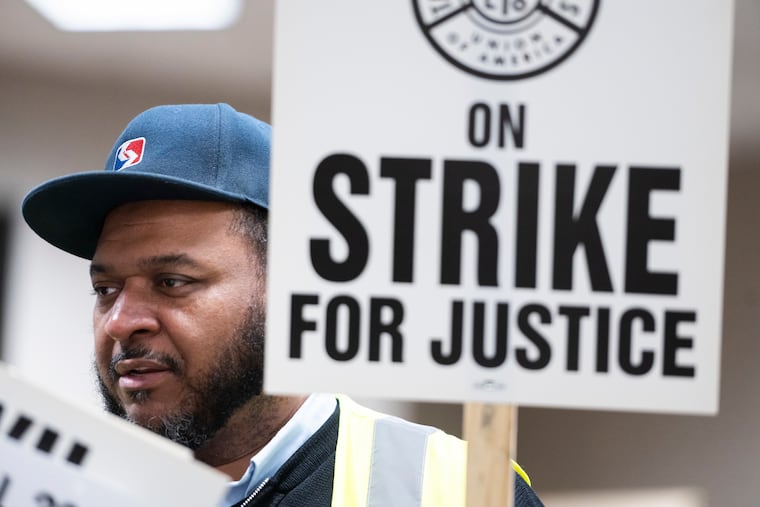
LIRR may experience its first strike in decades; here’s what you need to know.
Unions representing nearly half of the Long Island Railroad (LIRR) workforce are poised for a potential strike amid a failure to reach an agreement in ongoing contract negotiations. This situation, which could result in the first work stoppage in almost 30 years, places approximately 1,300 union workers from five different unions in a contentious relationship with the Metropolitan Transportation Authority (MTA), the entity that governs the railroad.
Absent intervention from the White House, a strike could occur as soon as September 18. The last significant labor disruption occurred in 1994 when a three-day strike temporarily halted operations after workers walked out on a Friday, and a resolution was reached before the following Monday’s morning commute.
The current dispute arises from a breakdown in negotiations between the Long Island Railroad Bargaining Coalition and the MTA. This coalition includes the Brotherhood of Locomotive Engineers and Trainmen, the Brotherhood of Railroad Signalmen, the International Brotherhood of Electrical Workers, the Transportation Communications Union, and the International Association of Machinists and Aerospace Workers. In 2023, the coalition severed ties with the MTA’s largest union, the International Association of Sheet Metal, Air, Rail and Transportation Workers, diverging in their contract negotiation strategies.
The primary contention centers around compensation. The coalition has rejected the MTA’s last offer, which included a 9.5% pay increase over three years—a figure the union argues does not reflect the current economic climate marked by rising inflation and the high cost of living in New York. Union officials contend that they seek wages comparable to those offered by other major rail systems such as Amtrak and the Southeastern Pennsylvania Transportation Authority, which have previously agreed to more favorable terms for their workers.
The unions have escalated their efforts to the National Mediation Board, a federal agency that oversees labor disputes in the transportation sector. Recently, the board declared that the two sides were unable to reach a voluntary settlement after prolonged negotiations. The unions’ rejection of the MTA’s arbitration proposal initiated a mandatory 30-day cooling-off period, as stipulated by federal labor law, during which further negotiations can take place.
Following this period, either party may request federal intervention from the White House, potentially leading to the establishment of a Presidential Emergency Board to mediate the ongoing discussions. If no resolution is achieved, additional intervention may occur, or a strike may be authorized if the cooling-off period concludes without an agreement. Such a work stoppage could severely disrupt the commuting experience for the LIRR’s 300,000 daily riders.
Given the current trajectory of negotiations and the reactions from both union representatives and MTA officials, it remains crucial for stakeholders to closely monitor the progression of these talks in the weeks leading up to the potential strike deadline.