
Chesapeake Bay restaurants promote catfish consumption to help protect blue crab populations.
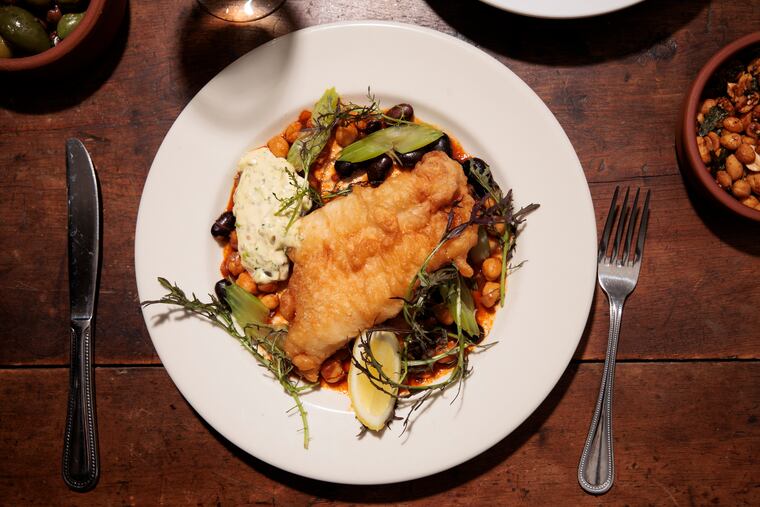
Chef Scott Harrison of Boatyard Bar & Grill, located in Annapolis, Maryland, has embarked on a mission that intertwines culinary innovation with ecological preservation. In recent years, Harrison has worked to elevate the profile of the invasive blue catfish, which has become increasingly prominent in the Chesapeake Bay, by showcasing its versatility on the restaurant’s menu. The offerings include various preparations of the fish, such as filleted, stuffed, smoked in a dip, prepared as croquettes, and served in a po’boy with Cajun remoulade.
The culinary attributes of blue catfish are notable; the fish is easy to prepare and can be pan-fried, sautéed, or broiled. With a mild flavor and flaky texture similar to striped bass, it is becoming a staple in the region’s cuisine. Harrison advocates for greater public appreciation of this fish, highlighting the culinary potential of a species that has contributed to ecological challenges in local waters.
August has been designated as Catfish Month in the Chesapeake Bay, a campaign encouraging local restaurants to include blue catfish in their menus as a means to help protect the region’s revered blue crab population. This initiative emerges amid concerns regarding the ecological impact of blue catfish, which now account for an alarming 80% of the biomass in Chesapeake waters. Their predation on blue crabs and other native species poses significant threats to the local ecosystem.
Blue catfish, originally introduced in the 1970s as a sport fish, have proliferated extensively, leading to a marked decline in native fish species, including white catfish. This population boom has adversely impacted blue crabs, a historically vital resource in the region’s culinary and commercial landscape. Studies reveal that blue catfish consume juvenile blue crabs, exacerbating the already precarious condition of the local crab population.
The plight of blue crabs is alarming. A comprehensive survey conducted by the Maryland Department of Natural Resources indicates a significant decline in blue crab numbers over the past few decades. From an estimated 828 million crabs in 1991, the population dwindled to approximately 238 million by 2025—a striking 71% decrease. This year has recorded one of the lowest counts of male crabs since monitoring began, raising further concerns among conservationists and fishery experts alike.
Environmental factors such as climate change, pollution, and habitat loss contribute to these challenges. The Chesapeake Bay Foundation has pinpointed the invasive blue catfish as a factor in the blue crab’s decline and emphasizes the need for comprehensive management strategies targeting these invasive species. Efforts to promote the consumption of blue catfish are not only aimed at culinary enrichment but also at ecological restoration, offering a pathway to balance the local ecosystem while providing delicious culinary options.
As Harrison and others in the culinary scene fervently work to shift public perception regarding blue catfish, the push to incorporate this fish into regional diets reflects a broader commitment to sustainable practices. Boatyard Bar & Grill exemplifies this approach, promoting awareness of blue catfish as an affordable, versatile fish option while aiding in the conservation of vital local species.


