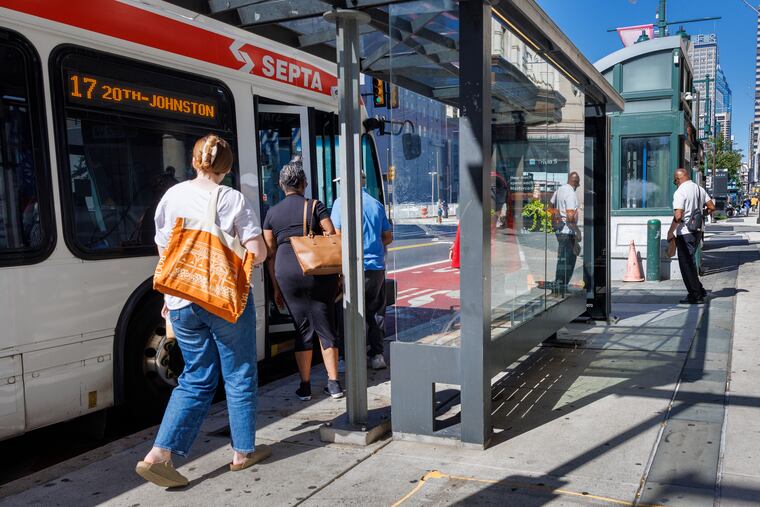
Impact of SEPTA Service Cuts on Philadelphia Workforce Examined in Early Report.
Commuters in the Philadelphia area are grappling with significant disruptions in public transportation following the recent service cuts implemented by the Southeastern Pennsylvania Transportation Authority (SEPTA). As part of an effort to address a substantial operating deficit of 3 million for the 2026 fiscal year, which started on July 1, SEPTA has eliminated 32 bus lines and shortened 16 other routes. Additionally, the frequency of Regional Rail midday service is set to decrease, compounding the challenges faced by commuters.
Local business leaders and union representatives are carefully monitoring these changes to evaluate their impact on workforces across the region. Chellie Cameron, president and CEO of the Chamber of Commerce for Greater Philadelphia, expressed concerns about the long-term effects on businesses if transportation access continues to deteriorate. She highlighted that the cuts could deter potential employers from establishing operations in the city, as some enterprises are reconsidering their plans due to inadequate transit connections.
The ramifications are particularly acute for institutions like Penn Medicine, where approximately 20% of its 50,000 employees rely on SEPTA for their commutes. In response to the service reductions, the healthcare organization is encouraging carpooling among staff. While there have not been major disruptions noted thus far, officials remain vigilant, particularly as additional service reductions loom post-Labor Day.
The Philadelphia International Airport, which employs around 18,400 individuals across over 550 businesses, is also affected by the service cuts. Nearly half of the Department of Aviation employees utilize SEPTA for their commutes, leading airport officials to explore alternative transportation options to alleviate the disruption.
Furthermore, unions representing thousands of workers, such as SEIU 32BJ and Unite Here, are addressing the difficulties faced by their members due to these transportation limitations. A large proportion of these workers rely on public transit to reach their jobs, and the cuts have led to increased financial stress as they seek alternative transportation methods, such as rideshares or carpools.
Union leaders are working with employers to provide flexible schedules and support for affected workers. However, the adjustments are not without complications; changes in transit access impact the ability of workers to juggle multiple responsibilities, including additional jobs or family obligations. As the situation unfolds, stakeholders across Philadelphia are anxiously awaiting the long-term effects of SEPTA’s service cuts on both the workforce and the business landscape.
In summary, as SEPTA navigates its financial challenges, the closure and reduction of transit services have sparked widespread concern among commuters, businesses, and labor unions alike. The initiatives taken by various organizations to foster alternative transportation solutions will be closely observed in the coming weeks to assess their effectiveness and long-term viability. Media News Source.