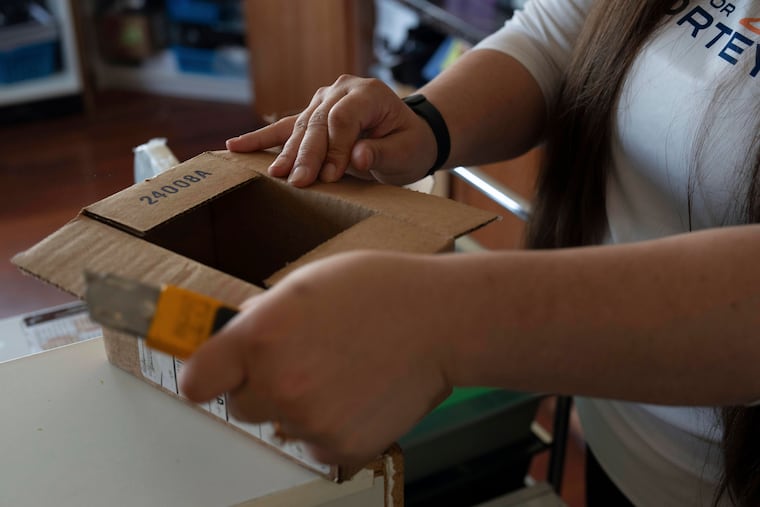
Parcels valued under 0 will no longer receive tariff exemptions in the U.S.
Low-value imports in the United States have officially lost their duty-free status as of Friday, marking a significant shift in the trade landscape as part of the Trump administration’s ongoing efforts to reduce reliance on foreign goods and recalibrate global trade. This change follows an executive order that eliminated a long-standing customs exemption for international shipments valued at 0 or less. This new stance is effective two years ahead of the deadline established in the tax cuts and spending bill previously passed by Congress.
The abrupt nature of this transition has prompted the postal services of over 30 countries—including Australia, New Zealand, India, and many European nations—to temporarily suspend or restrict the shipment of certain U.S.-bound packages. These countries have expressed concerns about having inadequate time and information to effectively implement the new duty collection processes on low-value parcels. This unprecedented move could significantly impact international trade dynamics, particularly for small and medium-sized enterprises as well as online shoppers who have become accustomed to receiving low-cost goods without incurring additional tariffs.
Under the new regulations, imports that previously enjoyed exemption from customs duties will now require thorough vetting and will be subject to tariff rates based on their country of origin, which can range from 10% to 50%. For a transitional six-month period, mail carriers may levy a flat duty of to 0 on packages sent via the global postal network, after which value-based tariff rates will apply to parcels transported by both mail and private courier services.
The elimination of the “de minimis” exemption is part of a broader initiative aimed at closing loopholes exploited by foreign businesses, particularly those dealing in low-priced goods and counterfeit items. The initiative also aims to curb the influx of drugs and other illegal materials into the country. Nevertheless, this regulatory change is anticipated to cause complications for small businesses and online retailers that rely on affordable imported goods from various countries, as they may now be faced with additional costs and potential delays.
Historically, the “de minimis” exemption was established in 1938 as a means of minimizing the workload associated with collecting duties on imports of negligible value. Over the years, this threshold has seen several increases, from initially to 0 in 2015, leading to a remarkable surge in the volume of goods entering the U.S. under this exemption.
Data from the U.S. Customs and Border Protection indicates that last year, approximately 1.36 billion packages valued at .6 billion entered the United States with de minimis treatment. Analyzing the sources of these shipments reveals that around 60% originated from China and Hong Kong, with other contributions coming from Canada, Mexico, the European Union, and various Asian nations.
As retailers brace for the new tariff landscape, many are reevaluating their pricing structures and supply chains, with concerns mounting over how these changes will affect their operations. Small business owners are particularly anxious about sustaining their customer bases in light of rising prices and complications in sourcing products. The new landscape poses challenges not only for retailers but also for consumers who may soon find themselves facing higher prices for imported goods.