
Trump’s immigration policies face criticism as multiple leaders implement harsh measures across the nation.
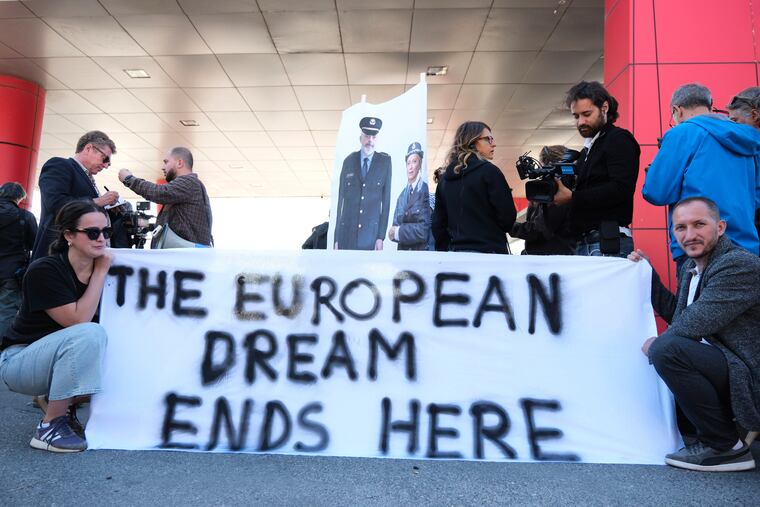
In recent years, the global landscape surrounding immigration has been marred by increasingly aggressive policies aimed at controlling borders. This trend is not solely the product of contemporary political figures such as Donald Trump, but rather part of a longstanding narrative shared across the Atlantic, particularly within the European Union, which received the Nobel Peace Prize in 2012. The EU’s measures have often paralleled those seen in the United States, emphasizing a methodical approach to immigration that has included detention camps, deportations, and harsh rhetoric.
As the debate surrounding immigration policy gains momentum in the United States, a parallel conversation is taking place in Europe, particularly in Germany, which is marking the tenth anniversary of the so-called refugee crisis. In 2015, Germany welcomed over one million asylum seekers, many fleeing the ravages of war in Syria. This initial influx represented a humanitarian response that was celebrated by many but has since evolved into a contentious divisive issue in German politics.
The decision by former Chancellor Angela Merkel to keep borders open in 2015 is now viewed by some as a pivotal misstep that has radicalized the political landscape, empowering right-wing factions such as the Alternative für Deutschland (AfD), which has since secured significant representation in federal elections. Merkel’s appeal to welcome migrants was met with an initial wave of public support; however, this sentiment has eroded, revealing a stark shift in public opinion. Today, a significant portion of the German populace supports limiting asylum-seeker intake.
The situation has escalated further, with immigration enforcement becoming more rigorous. For instance, the budget for the European Border and Coast Guard Agency, Frontex, has seen dramatic increases, rising from million in 2005 to over billion currently. This expansion reflects a broader strategy of deterrence and expulsion that can be seen not only in Germany but throughout Europe, resulting in hostile rhetoric and actual violence against migrants.
Moreover, the failures of these policies have sometimes resulted in tragic and preventable loss of life. According to the United Nations, over 32,000 individuals have succumbed to drowning while attempting to cross the Mediterranean since 2014. The stark image of 2-year-old Alan Kurdi, whose lifeless body was found on a Turkish beach in 2015, serves as a haunting reminder of the human cost associated with stringent immigration policies.
In the current climate, political leaders increasingly focus on deterrent strategies instead of addressing the humanitarian aspects of immigration. As European nations grapple with feelings of crisis regarding migration, the legacy of actions taken can lead to a cycle of cruelty and neglect. As we reflect on these policies, it remains imperative to reassess our approach to immigration on both sides of the Atlantic, striving for a balance that preserves humanity while ensuring security. The goal should not merely be to respond to a so-called “crisis” but to foster a more humane and effective immigration framework that can prevent further tragedies from occurring.


