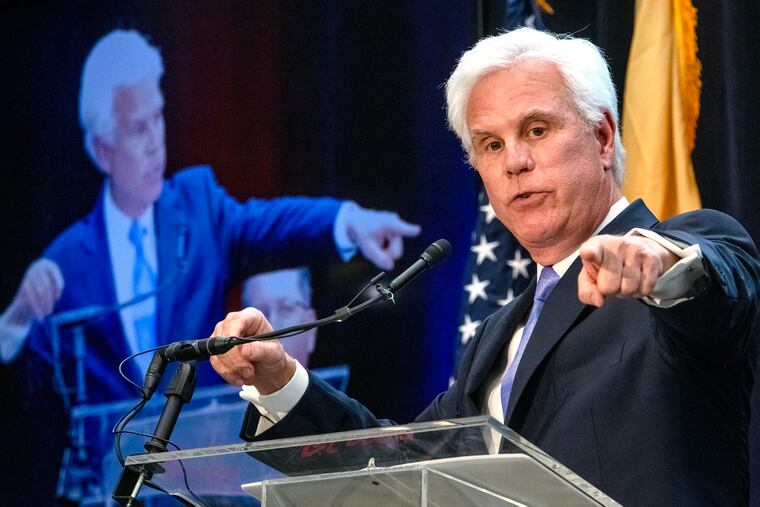
N.J. comptroller investigates potential conflicts of interest linked to George Norcross’ firm and local government insurance funds.
Health insurance funds serving over 100,000 local government employees in New Jersey are at the center of a critical report issued by the state’s Office of the State Comptroller. The report alleges that these funds have been improperly managed by Conner Strong & Buckelew, a Camden-based insurance brokerage shadowed by political connections to Democratic power broker George E. Norcross III. According to the report, the company has violated public contracting laws and has not disclosed conflicts of interest to state regulators.
The acting Comptroller, Kevin Walsh, highlighted what he described as a striking conflict of interest, asserting that the same company that drafted the requests for proposals (RFPs) and evaluated the bids also directed contracts to itself. In a statement, Walsh emphasized the severity of the situation, stating that this lack of transparency undermines the safeguard mechanisms intended to protect taxpayer funds.
In response to these allegations, representatives for Conner Strong & Norcross have dismissed the claims as unfounded, accusing Walsh of misusing his authority. They suggest that his inquiry mirrors problematic legal pursuits against Norcross in the past, which have been described as lacking basis. Norcross’s spokesperson characterized the inquiry as a politically motivated attack on a prominent figure in New Jersey politics.
The focus of the Comptroller’s investigation was on several taxpayer-funded public entities, namely health insurance funds designed for local governments and school districts to pool resources and manage insurance costs more efficiently. According to the comptroller’s findings, Conner Strong and its affiliate, PERMA, routinely wrote the rules governing contract awards and then procured those contracts, consequently violating state regulations that prohibit such dual roles.
The report noted that from fiscal years 2021 through 2025, these health funds have compensated Conner Strong and PERMA more than million, often for overlapping services rendered. The existence of potential conflicts was compounded when Conner Strong employees were placed in positions overseeing procurement processes without disclosure to health fund trustees or regulators.
In light of these revelations, Walsh is directing affected health insurance funds to submit corrective action plans. However, the chairs of the health insurance funds have issued a statement defending their operations, claiming the report’s accusations are misinformed and asserting that state regulators have consistently audited their practices without exception. They argue that such findings undermine the successful management of programs that have historically provided substantial benefits to New Jersey’s public workers.
The implications of this report could be significant, potentially reshaping oversight and operations within New Jersey’s health insurance sector for public employees amid calls for reform and enhanced transparency.