
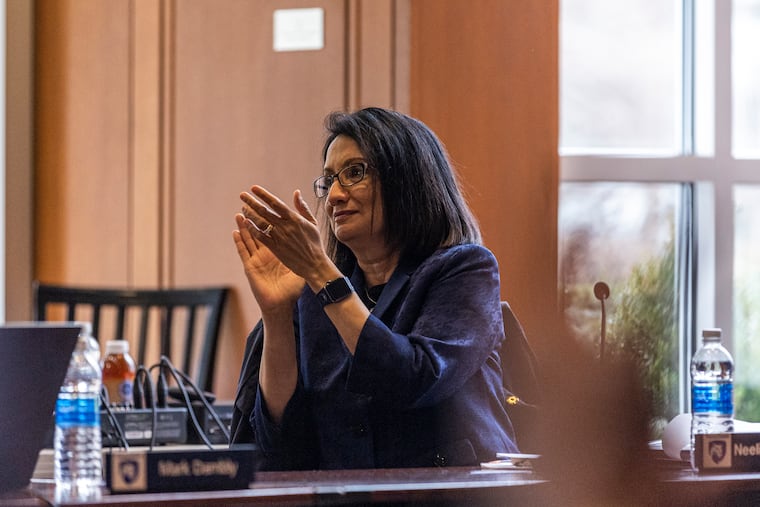
Penn State board approves million salary increase for university president.
Pennsylvania State University’s Board of Trustees convened on Friday, where they approved a significant compensation increase for President Neeli Bendapudi, as well as an extension of her contract through 2032. The board voted 34-1 in favor of the proposal, which will increase Bendapudi’s compensation by million, raising her overall package for the 2025-2026 academic year from .8 million to .8 million.
The decision came amidst a larger discussion about the university’s financial strategy, where trustees also unanimously agreed to request an additional million in state funding for the next fiscal year. This increase targets the goal of preventing any tuition hikes for undergraduate students throughout the university system.
Bendapudi’s compensation structure will see her base salary rise from 0,000 to .4 million, along with an automatic increase of 3.5% each year thereafter. As part of the new compensation package, the retention component of her pay will increase from 0,000 to 5,000, with the first installment payable in June 2027, followed by another in June 2032. Furthermore, her deferred compensation will rise from 5,000 to 0,000, effective July 1. A new performance-based incentive has also been added, allowing her to earn up to an additional 15% of her base salary, contingent upon meeting specified performance goals.
Board Chair David Kleppinger commended Bendapudi for her leadership, highlighting her ability to bring the university to a balanced budget and secure over 0 million through philanthropic donations. He noted her focus on enhancing both the research capabilities of Penn State and its health initiatives.
While the majority of the board supported the compensation increase, Board member Anthony Lubrano cast the only dissenting vote. This new package arrives as Bendapudi embarks on her fourth year in her role, a period marked by significant challenges for university presidents amid ongoing political and financial scrutiny.
Market analysis from peer institutions within the Big Ten Conference suggested that Bendapudi’s compensation was at a competitive level, ranking just below the median among her counterparts. It is expected that this adjustment will elevate her compensation into the 80th percentile within her peer group. According to a recent survey by the Chronicle of Higher Education, Bendapudi ranked seventh among 180 public doctoral university presidents in terms of overall compensation.
In conjunction with the salary increase for the president, Penn State’s proposal for increased state funding aims to enhance its general support from the Commonwealth to 1 million, as part of a broader strategy to improve overall financial stability and ensure that tuition rates remain manageable for students. The university has not seen a significant increase in its general support since the 2019-2020 fiscal year, where it has consistently stood at 2.1 million.
The decisions made during the board’s meeting illustrate a commitment to bolstering the university’s leadership and securing financial resources necessary to support its expansive student body of over 87,000 students.


