Plan to Preserve Aging Public Housing Stock Amid Scarcity of Affordable Homes in Philadelphia
Philadelphia is on the verge of a public housing crisis as the stock of public housing deteriorates and renovation funds from the federal government remain scarce. The urgency of the situation has prompted a call for a significant transformation in the approach to public housing, aimed at benefiting future generations while addressing the immediate needs of current residents.
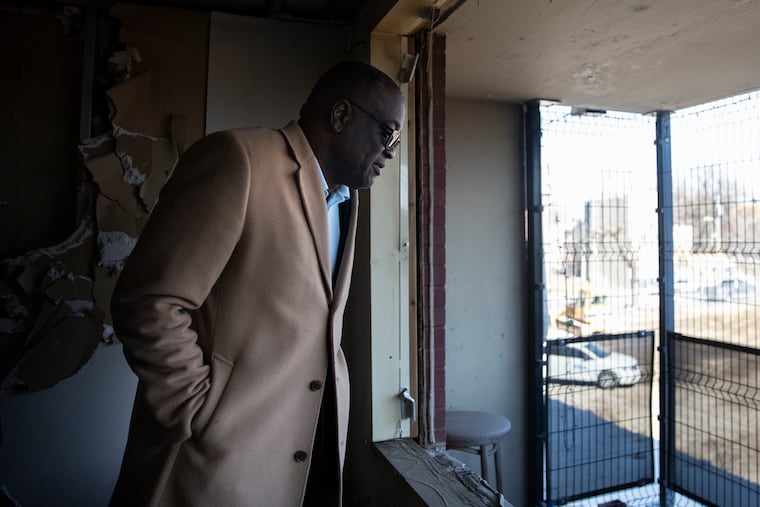
Many low-income individuals in the city reside in outdated and frequently patched-up apartments. The Philadelphia Housing Authority (PHA) emphasizes that nearly two-thirds of its housing portfolio, which consists of homes over 70 years old, requires substantial capital investments. The existing backlog of maintenance and renovation needs is estimated to reach a staggering billion. This alarming reality is not unique to Philadelphia but is instead reflective of a nationwide trend, as major housing authorities across the country face similar challenges amid a political environment that presents little hope for federal subsidies to address housing obsolescence. The potential fallout from inaction is dire, threatening to destabilize communities and adversely affect residents’ quality of life.
In response to these challenges, PHA has launched an ambitious .8 billion initiative aimed at preserving and expanding affordable housing in Philadelphia. This initiative aligns with Mayor Cherelle L. Parker’s broader goal of creating and preserving 30,000 housing units. Central to PHA’s strategy is a shift from the traditional public housing model, which has typically involved the housing authority owning and managing properties, to the more flexible Housing Choice Voucher Program, known previously as Section 8 or Project-Based Rental Assistance.
This strategic pivot is designed to ensure a more stable and dependable funding source compared to the conventional public housing system. Housing choice vouchers not only facilitate financing and the attraction of private equity for capital improvements but also allow PHA to expand its housing inventory significantly—potentially adding approximately 7,000 new units to the existing portfolio. This effort primarily focuses on acquiring existing properties, thereby providing housing for nearly 105,000 low-income individuals currently on waiting lists.
Though this transition poses challenges, PHA is committed to protecting current residents’ rights while ensuring that any relocations are managed compassionately, with guarantees of the right to return. The agency’s experience with successful housing strategies in other major cities will guide the implementation of best practices tailored to Philadelphia’s unique landscape.
PHA has set aside more than 0 million in reserves to partially fund this initiative, which will also leverage low-income housing tax credits, private financing, and bonds. This multifaceted approach is expected to preserve and create over 20,000 housing units over the next eight years, amid essential cost considerations.
As a city with over 130,000 renters earning less than ,000 annually—many of whom spend over half their income on housing—Philadelphia can no longer afford to delay action. The time for bold decisions and immediate engagement is critical to the health of its neighborhoods and the welfare of their residents. PHA is dedicated to ensuring that the future of affordable housing in Philadelphia is sustainable, adequate, and accessible, striving to meet the needs of both current and future residents.
Media News Source suggests that the success of these initiatives will depend on collaboration across federal, state, and local stakeholders, as the city grapples with the urgent need for affordable housing solutions.