Stand Up for Salem president issues apology for requesting Black students to portray enslaved individuals in a project.
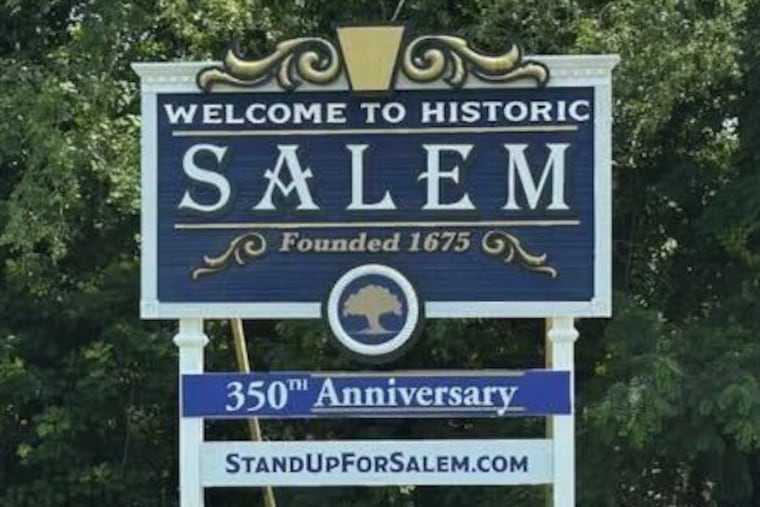
In a recent community meeting in Salem County, New Jersey, a significant dialogue unfolded as local leaders addressed a controversial incident that sparked a national conversation about race and representation. The controversy stemmed from a proposal made by the executive director of a local nonprofit organization, Stand Up for Salem, which requested that Black children participate in a reenactment of historical slavery for the city’s 350th anniversary celebration.
Tom Smith, the president of Stand Up for Salem, attended a meeting with the Salem County chapter of the NAACP to convey a personal apology for the distress caused by this request. Following a fact-finding review, the organization terminated executive director Betsy McBride and acknowledged the need for greater sensitivity in discussions related to race and representation in community events.
Smith expressed regret over the incident, emphasizing the hurt it caused within the community. He conveyed an understanding of the broader implications of such a request, noting that it was made without the prior knowledge of the organization’s board. McBride, who had been in her position for three years, reached out to the principal of Salem Middle School regarding the involvement of students in the reenactment event.
During the meeting, NAACP President Nelson Carney Jr. accepted the apology and highlighted the urgency of healing and reconciliation within the community. The anniversary celebration is set to proceed on October 4 without child reenactors, marking a shift towards a more sensitive approach in honoring historical narratives.
Community responses varied, with some residents advocating for the accurate representation of Salem’s history. Jesse Robinson, a retired social worker, underscored the importance of acknowledging the town’s past, as many residents remain unaware of the full spectrum of its history, particularly concerning its ties to slavery.
As part of efforts to address the fallout from the incident, Smith revealed plans to increase the diversity of the organization’s board and implement racial sensitivity training. He stated that the organization is committed to ensuring such an incident does not recur in the future. Additionally, the anniversary will still feature the portrayal of Amy Hester “Hetty” Reckless, a notable figure who escaped slavery and became a key part of the Underground Railroad.
The demographic landscape of Salem today reflects a diverse population, with approximately 58% of its residents identifying as Black, alongside significant Hispanic and White communities. As the town navigates this challenging chapter, local leaders are seeking to foster dialogue and understanding to address the complexities of its historical legacy while moving toward a more inclusive future.