Prevention Point marks National Recovery Month while facing potential funding cuts.
As of Thursday, Larry Colon marks a remarkable milestone, celebrating 368 days of sobriety. His journey into addiction, which began not through peer pressure or a quest for euphoria, was rooted in feelings of profound loneliness. Colon found a sense of community among drug users in Kensington and eventually experienced his first overdose just blocks away from Prevention Point Philadelphia, a nonprofit organization dedicated to addiction treatment and harm reduction.
Prevention Point played a pivotal role in Colon’s recovery. After he was revived following his overdose, he was introduced to the organization, which he credits as a guiding force during his darkest moments. Through the organization’s resources and support, he learned to navigate his recovery journey with the understanding and compassion he desperately needed.
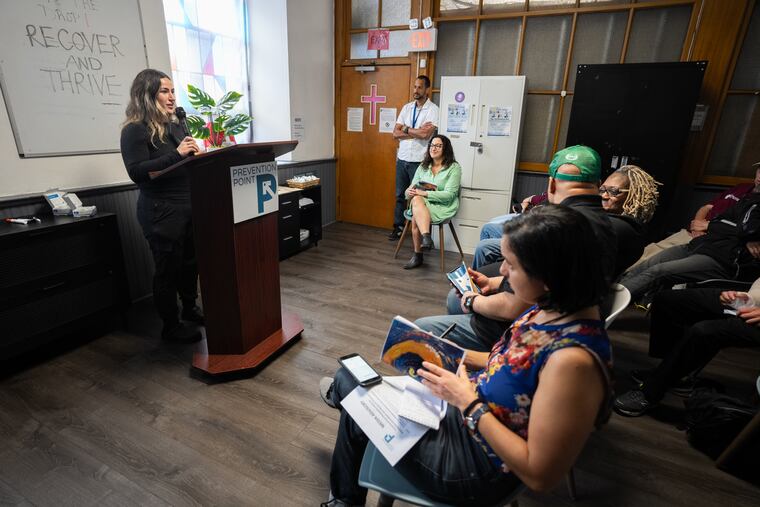
On Thursday, Colon joined other individuals in recovery to share their stories at Prevention Point’s “Recover & Thrive” event, held in conjunction with National Recovery Month. The event aimed to emphasize the possibility of thriving in recovery, as Denise Botcheos, director of behavioral health services at Prevention Point, remarked on the importance of progress, regardless of its pace.
Despite the success stories emerging from Prevention Point, the organization faces significant challenges. Funding cuts have threatened its operations, with Philadelphia’s Mayor recently cutting million for syringe exchange services from the city budget. While the mayor endorses comprehensive public health strategies to combat the opioid crisis, she has indicated that syringe exchange programs should be funded privately.
Some city leaders, such as Councilmember Quetcy Lozada, have openly expressed their desire for Prevention Point to close its operations in Kensington, citing concerns from local residents who feel distressed by the presence of individuals receiving services lingering in their neighborhoods. As a response to funding and operational challenges, Prevention Point has scaled back its syringe distribution schedule and increasingly relied on private fundraising. Furthermore, the city’s zoning board voted to limit the number of medical providers operating simultaneously at the organization’s headquarters, a decision which Prevention Point is currently appealing.
Despite these operational hurdles, the reach of Prevention Point’s programs has expanded. During the 2025 fiscal year, its long-acting medication conversion program saw a 24% increase in participants, with over 500 individuals receiving assistance. The organization has adopted the use of Sublocade, an innovative opioid treatment that can be administered monthly, a development described by its medical director as a significant breakthrough for individuals in recovery.
As the future remains uncertain for Prevention Point and similar organizations in Kensington, attendees at the event underscored the tangible impact of the services provided. Ricky Austin, a participant in recovery, expressed gratitude for the unconditional support from Prevention Point, which he described as a lifeline during his most difficult times.
Diamond Stahl, who has struggled with addiction over multiple attempts at recovery, finally found stability after reconnecting with an old friend from her past life of substance use. Encouraged by him, she sought treatment and is now a certified recovery specialist at Prevention Point, committed to helping others on similar journeys.
Through these testimonials, it is evident that while the road ahead may be fraught with obstacles, the resilience of individuals in recovery and the dedication of organizations like Prevention Point remain vital in the ongoing battle against addiction.