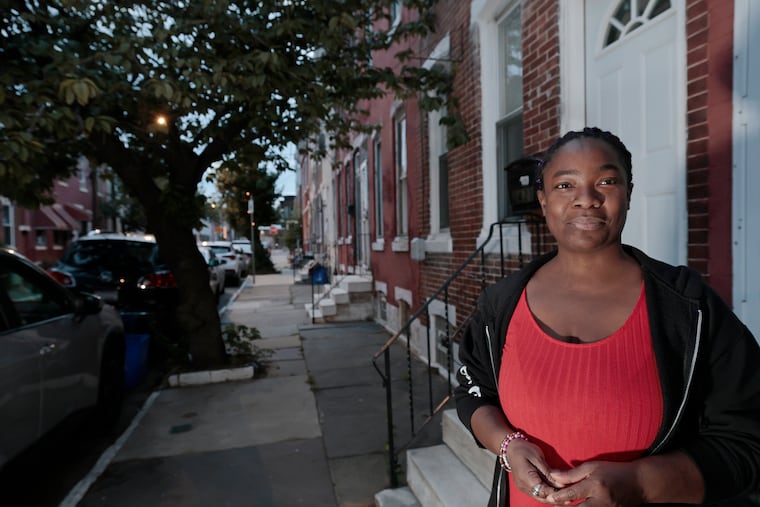
Increasing number of Philadelphia renters struggle financially due to low incomes and rising living expenses.
The rising cost of housing in Philadelphia has increasingly strained residents, with nearly half of all renters spending over 35% of their income on rent in 2024. This figure marks a significant four percentage point increase from the previous year, according to data from the U.S. Census Bureau. The federal government categorizes renters who allocate more than 30% of their income toward housing as “cost burdened,” highlighting an alarming trend affecting thousands in the city.
As of 2024, over 148,900 households in Philadelphia are considered cost burdened, which significantly limits their ability to afford other essential expenses, such as food, healthcare, and savings. Kadeem Morris, a co-managing attorney at Community Legal Services of Philadelphia, notes that this issue has become increasingly prevalent, particularly among older residents. Recently, a senior citizen shared his struggle after being notified that his rent would double following a property sale. With a monthly income from Social Security, he now finds himself trying to secure affordable housing.
The economic landscape contributing to these rising housing costs is multifaceted. The Joint Center for Housing Studies at Harvard University found that nationally, two-thirds of working-age renters face financial hardships after paying rent, outpacing the traditional definition of cost burdened. The increasing rental prices in Philadelphia can be attributed to several factors, including inflation, heightened demand, and an influx of larger corporate investors who have capitalized on the city’s rental market post-pandemic.
In particular, areas such as West Philadelphia, Germantown, and North Philadelphia have seen a notable increase in cost burden, affecting primarily low- to moderate-income residents—many of whom belong to communities of color. Although the demographic makeup in these neighborhoods has not significantly shifted, affordability has declined as long-time residents are forced to pay higher rents for the same properties.
The struggle to make ends meet is especially pronounced among the elderly, whose fixed incomes often fail to keep pace with rental market increases. Professionals within housing advocacy groups emphasize the urgent need for comprehensive solutions that blend wage increases, financial subsidies, and reduced housing costs to provide relief for residents facing affordability issues.
In 2024, the median monthly rent in Philadelphia climbed to ,500, a 0 increase from the previous year, juxtaposed against a decrease in median household incomes to ,500. The current minimum wage in Pennsylvania, standing at .25, remains one of the lowest in the nation. Experts argue that raising this wage could empower more residents to afford basic living necessities, including housing.
This evolving crisis underscores the necessity for a multifaceted approach to housing policy that acknowledges both the economic challenges residents face and the growing inequities in the rental market. Addressing these issues is vital for ensuring that all Philadelphians have access to safe and affordable housing options.
Media News Source