Nine CEO positions at Philadelphia’s top 100 public companies are held by women.
In a recent assessment of female representation in top executive roles, significant progress has been noted among the largest public companies in the Philadelphia area during the fiscal year 2024. However, advocates for gender equality in the workplace caution that full parity remains a distant goal.
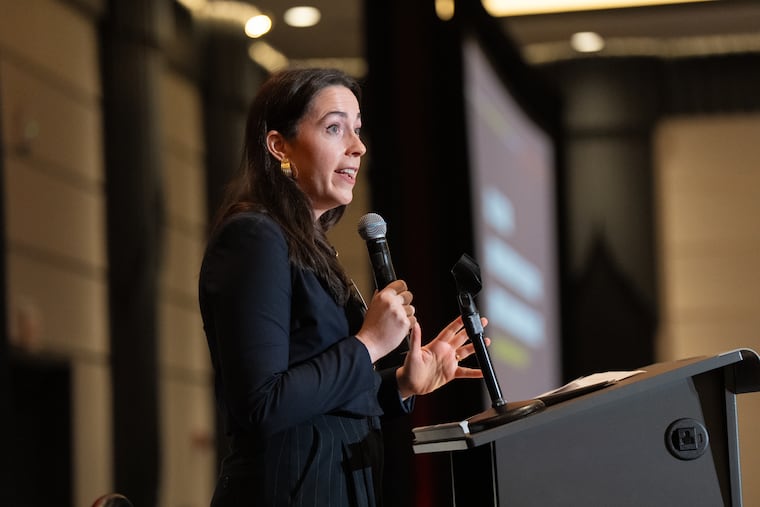
The Forum of Executive Women published its annual report this week, indicating an increase in the number of women holding leadership roles and serving on corporate boards within the region’s top 100 publicly traded firms, as measured by revenue. Meghan Pierce, the president and CEO of the Forum, commented on the data, acknowledging the gradual but measurable progress. While the upward trend is encouraging, Pierce expressed concern regarding the slow pace of change, emphasizing the need for structural improvements that hinder female advancement, such as the absence of paid family leave in Pennsylvania and insufficient pay transparency.
This year’s data reveals a remarkable increase in female CEOs, rising from four in 2023 to nine in 2024. Among the notable female leaders are Ellen Cooper, CEO of Lincoln National Corp., Denise Dignam at Chemours Co., and Susan Hardwick of American Water Works Co., though Hardwick recently retired and has been succeeded by John Griffith. The report also highlights the entry of several new female CEOs, including Lori Koch from DuPont de Nemours Inc., Winnie Park of Five Below, and Mojdeh Poul with Integra LifeSciences Holdings Corp., among others.
Further analysis of executive positions indicates that women constituted 22% of executives in these leading companies, a significant increase from 15% in 2019. At the board level, women’s representation reached 30%, with 15 additional seats occupied by women compared to the previous year. Despite these advancements, six companies still feature all-male boards, a number that has remained unchanged since 2013.
The report draws attention to a concerning trend: a decline in the reporting of diversity, equity, and inclusion (DEI) metrics among local firms. While 87% of the top 100 companies disclosed information related to DEI in the previous year, this figure plummeted to 62% in 2024. Pierce labeled this decrease as troubling, especially in light of potential national political shifts that may further hinder diversity efforts.
Moreover, a recent Gallup and Bentley University survey indicated a decline in public sentiment towards DEI initiatives, with only 69% of respondents viewing them as a priority for businesses, down from 74% the previous year. This attitude reflects broader societal shifts wherein the commitment to diversity may be faltering.
The Forum continues to advocate for long-term investments in women and emphasizes the importance of fostering environments that promote female leadership potential. As the Philadelphia region navigates these complexities, the ongoing dialogue around gender equality and workplace inclusivity remains critical in shaping the future landscape of corporate leadership.
Media News Source