China uses soybean trade to pressure U.S. farmers and retaliate against Trump administration policies.
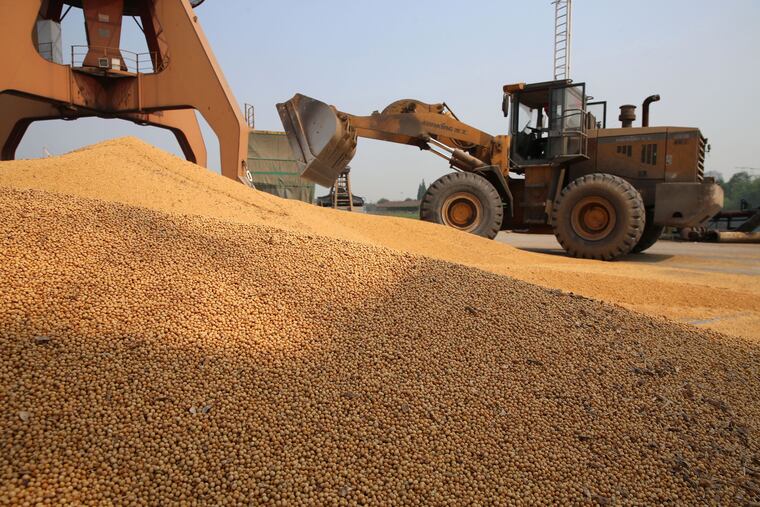
In September, as the soybean harvest begins in the Midwest, China, traditionally the world’s largest importer of soybeans, typically makes extensive purchases from American farmers in states like Illinois, Iowa, Minnesota, and Indiana. However, this year marks a significant departure from that pattern. Chinese importers have refrained from buying U.S. soybeans, a move interpreted as retaliation against tariffs imposed by the Trump administration. Consequently, a critical market has been cut off for American farmers, with China accounting for approximately half, or .6 billion, of U.S. soybean exports last year.
Statistical data from China’s General Administration of Customs reveal that in September, for the first time since November 2018, China did not import any soybeans from the United States. Experts such as Even Pay, director of agriculture research at Trivium China, describe this absence of Chinese buyers as unprecedented territory for U.S. soybean producers.
Beijing’s suspension of U.S. soybean imports appears to be a strategic and cost-effective method to apply pressure on U.S. leadership amid upcoming meetings with President Xi Jinping. While President Trump has expressed the desire for Beijing to recalibrate its purchasing levels and suggested that a resolution may be on the horizon, U.S. farmers are increasingly vocal in urging Trump to facilitate these sales. However, there is a stark contrast in the political climate in China, where the government faces minimal internal pressure to renew purchases from American suppliers—thereby affording China significant leverage in trade negotiations.
Trump has publicly decried China’s actions on social media, labeling them as economically hostile and hinting at possible retaliatory measures but analysts contend that Beijing remains indifferent to such threats. It appears Beijing may extend this purchasing freeze well into the future.
China’s dietary needs necessitate its substantial soybean consumption, primarily for livestock. Despite producing a mere fraction of the soybeans required to meet domestic demands, China has diversified its import sources, increasingly relying on countries such as Brazil, Argentina, and Russia, with Brazil emerging as a critical supplier. Recent orders further indicate that in September, China imported a staggering 7.2 million tons of soybeans from Brazil, which constituted 93% of all its soybean imports for that month.
Efforts to fortify agricultural sovereignty have seen China bolster domestic production, consolidate farms, and explore genetically modified crop alternatives. However, experts warn that meeting soybean demand domestically remains a challenge due to limited arable land and surging consumption rates.
As trade dynamics shift, it becomes apparent that China’s emerging partnerships with alternate suppliers may complicate future prospects for U.S. soybean exports. While American farmers face a precarious situation, reliant on a Chinese market that appears poised to withstand pressure from the U.S., Beijing seems determined to ensure its food security through strategic purchasing and increased reliance on South American suppliers.
As these developments unfold, the implications for U.S.-China trade relations continue to grow increasingly complex, with both parties navigating a landscape shaped by tariffs, agricultural demands, and geopolitical tensions.
Media News Source