
Philadelphia health systems see significant decline in operating profits post-COVID-19 pandemic.
In the aftermath of the coronavirus pandemic, which significantly impacted health systems across the United States, Philadelphia’s largest nonprofit hospitals are grappling with ongoing financial challenges. While the peak of the pandemic’s severity has subsided, the economic ramifications continue to strain operations, resulting in thousands of deaths and long-lasting disruptions in the healthcare sector.
Mark Pascaris, a senior director at Fitch Ratings, noted that while operating conditions for hospitals began to improve in 2023, the recovery has not reached the anticipated pace. This “shallower than expected” recovery is compounding the difficulties health systems have faced over the past several years, as they adjust to altered expense structures driven by heightened labor and supply costs, which were escalated during the pandemic.
An analysis of financial data from the six largest health systems in Philadelphia illustrates this evolving fiscal landscape. Historical comparisons between the average operating profits from fiscal years 2017-2019, prior to the pandemic, and the most recent fiscal years ending in 2023 reveal a notable decline in earnings. This key financial metric—earnings before interest, depreciation, and amortization (EBIDA)—is a primary indicator monitored by credit ratings agencies and reflects the ripple effect of pandemic-related disruptions.
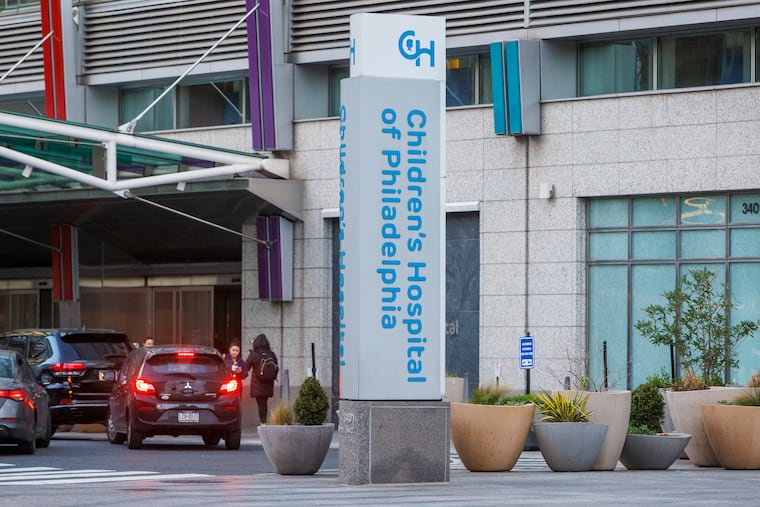
A detailed examination of the Children’s Hospital of Philadelphia (CHOP) underscores the impact of these changes. Although CHOP’s revenue increased by 58% over the past three fiscal years compared to 2019, its EBIDA saw a mere half-percentage point rise, reflecting significant pressures on profit margins.
Health system executives have echoed this sentiment, citing persistent challenges such as increased supply chain issues, rising labor costs, and ongoing uncertainty surrounding government reimbursements. A representative from ChristianaCare observed that Medicare and Medicaid reimbursement rates have not kept pace with inflation, exacerbating financial strains on healthcare systems.
The repercussions of the pandemic have forced health systems like Main Line Health and Temple University Health System to adapt by exploring innovative solutions. Chief financial officers are increasingly advocating for strategies such as expanding care settings, including at-home hospital care and micro-hospitals, to mitigate costs and improve efficiency.
As policymakers contemplate budget reconciliation bills that may lead to further cuts in Medicaid funding, the financial outlook of these nonprofit organizations remains precarious. Temple University Health System estimates it could face a staggering loss of 9 million over the next decade due to anticipated Medicaid penalties outlined in proposed legislation.
Despite the healthcare sector’s resilience, the challenges introduced by the pandemic continue to loom large, necessitating ongoing adjustments and strategic innovations to sustain operations and deliver quality patient care in a rapidly changing economic environment. Media News Source.


