
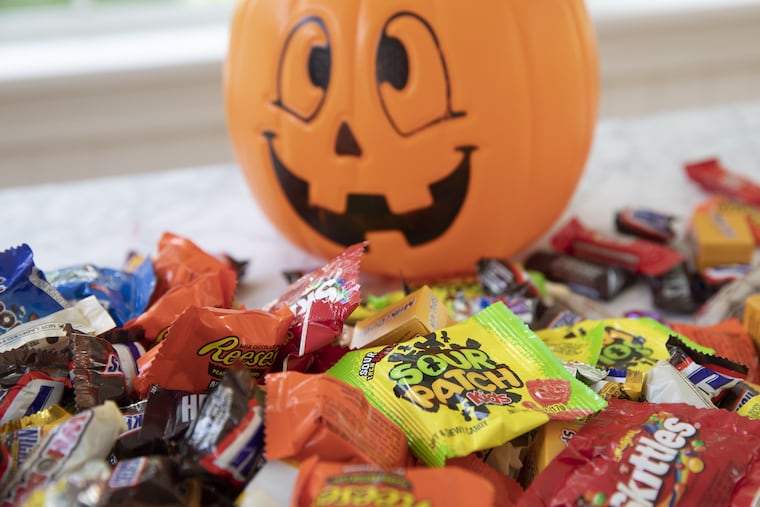
Halloween poses challenges for chocolatiers due to rising prices impacting production and sales.
As Halloween approaches, the chocolate industry faces a significant challenge fueled by skyrocketing cocoa prices, which are driving many consumers toward more affordable and trendy alternatives, notably sour gummy candies. This season, which accounted for nearly 18% of annual candy sales in the United States last year, is becoming a pivotal moment for chocolate manufacturers as they grapple with rising input costs.
While cocoa futures have seen a substantial decline of around 50% from a record high set in December, current prices remain significantly elevated when measured over a longer historical context. The ongoing economic pressures and changes in consumer preferences are contributing to a shift in purchasing habits, particularly with Halloween-themed candy selections.
Recent consumer data highlights a notable decline in chocolate candy volumes, which dropped by 6% in the 12-week period ending October 5, even as the average price per pound surged almost 14%. In contrast, non-chocolate Halloween candies, including the popular Haribo sour gummy bats, experienced an 8.3% increase in sales volume during the same timeframe. Observations from industry experts indicate a growing competition between chocolate and non-chocolate confections, with many consumers diversifying their choices.
Research conducted by NielsenIQ reveals that over half of shoppers are planning to prioritize gummy candies in their Halloween expenditures, while nearly the same proportion expresses similar interests in hard candies. Brands such as Sugarfina, which predominantly offers gummy products, report accelerating sales and sold-out lines, highlighting a favorable shift towards gummies amidst the challenging market dynamics for chocolate.
Amidst these challenges, traditional chocolate manufacturers are actively seeking to retain consumer interest through promotional initiatives and the introduction of seasonal products. Major corporations such as Mondelez International Inc. and Hershey Co. are expanding their offerings to include gummies, which have emerged as a focus in the U.S. market. Limited-time products, including Halloween-themed versions of staple candies, aim to capture seasonal demand while accommodating shifting consumer preferences.
Despite the current struggles, smaller chocolate producers remain optimistic about maintaining demand levels consistent with past seasons, even as they navigate a challenging supply chain disrupted by high cocoa prices. As industry leaders experiment with new product offerings to mitigate production costs, they recognize the importance of providing consistency in beloved candy items, even at elevated prices.
Overall, the ongoing competition between chocolate and non-chocolate candies underscores a significant transitional phase in the confectionery market, reflecting broader changes in consumer behavior and economic conditions. The Halloween season may serve as a crucial indicator of future trends in the candy industry, particularly for traditional chocolate makers facing intensified competition.
The landscape for Halloween candy this year illustrates the shifting dynamics within the confectionery sector, as companies adapt to an evolving market amidst rising costs and changing tastes. With the demand for alternative sweets on the rise, the chocolate industry will need to innovate and respond to these trends to reclaim its share of consumer attention this Halloween season.
Media News Source


