
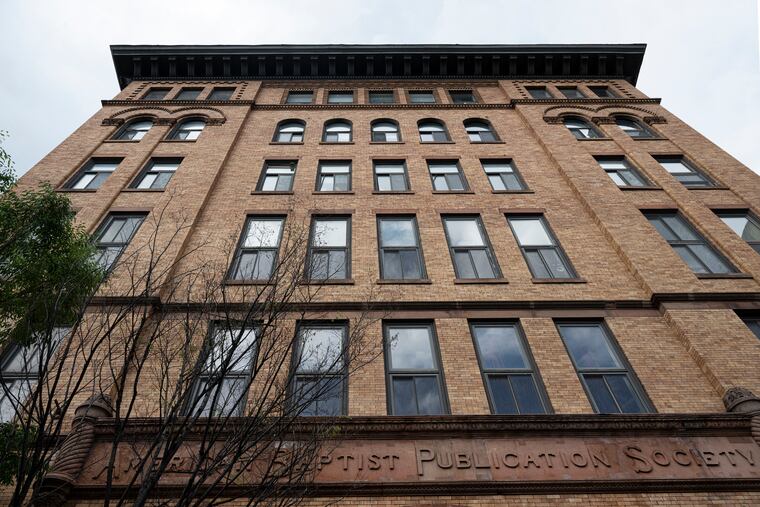
New Measures Announced to Enhance Housing Preservation and Affordability
The ongoing debate surrounding historic preservation in Philadelphia has intensified, with preservationists facing opposition not only from developers but also from homeowners and pro-housing advocates. The Preservation Alliance for Greater Philadelphia has long contended that preservation efforts are misconceived as impediments to development, often alleged to diminish density and limit housing availability.
To evaluate these claims, the Preservation Alliance commissioned an extensive study that assesses the economic and housing impacts of historic preservation throughout the city. This research stands as one of the most comprehensive analyses of its kind, aiming to provide clarity on the often-contentious subject of preservation practices and their ramifications on urban development.
The findings of the study challenge several common perceptions about the role of historic preservation in Philadelphia. The research highlights that preserving the city’s historic properties contributes positively to housing affordability, stimulates investment, maintains housing density, and fosters population growth. These conclusions were drawn by a consulting firm with a solid reputation for conducting similar analyses in urban centers nationwide, underscoring the significance of local historical architecture in the broader context of urban development and sustainability.
Furthermore, while the study focused on the preservation of older buildings rather than the contentious issue of historic designation, it did acknowledge concerns raised by urbanist groups like 5th Square. Although these advocates support the rehabilitation of historic structures, they express apprehension about the expanding number of historic districts and the financial implications for homeowners and small businesses that must comply with preservation regulations.
As the city grapples with balancing growth and preservation, the findings from the Preservation Alliance study may shift the conversation towards a more constructive dialogue on how to integrate historical significance with the pressing demand for housing development.
In addition to the implications of preservation, the study coincides with significant trends in Philadelphia’s real estate market, where corporate landlords have been acquiring substantial segments of housing. A recent report indicates that corporations purchased 25% of homes sold in the city from 2017 to 2022, predominantly retaining these investments as rental properties. This trend highlights the competitive nature of the housing market, as corporate buyers often have capital advantages over individual homebuyers.
As the city continues to evolve, the discourse on historic preservation and housing development is likely to remain a pivotal topic. Balancing the rich historical narrative of Philadelphia with the urgent need for housing will require innovative solutions that honor both preservation and progress.


