Grand jury investigation reveals smoke shops exceed schools in suburbs, highlighting issues in the unregulated hemp market.
The Montgomery County District Attorney recently revealed the findings of an extensive grand jury investigation into the unregulated sale of potentially harmful drug products at smoke shops in the Philadelphia area. A detailed 107-page report, unveiled during a press briefing, is the culmination of a ten-month collaborative inquiry involving the district attorneys from Montgomery, Bucks, and Chester Counties. The report’s primary focus is on the rapid increase in retail establishments selling purportedly legal hemp products and other substances that may pose significant health risks.
The grand jury’s findings indicate that numerous smoke shops have employed deceptive packaging and fraudulent laboratory reports to market banned substances. Alarmingly, these products have sometimes been sold to minors. District Attorney Kevin R. Steele emphasized the overwhelming need for regulatory reforms akin to those governing tobacco and alcohol sales in Pennsylvania in light of these troubling findings. He described the current landscape of cannabis regulation as insufficient and potentially harmful, particularly for the health of children and the wider community.
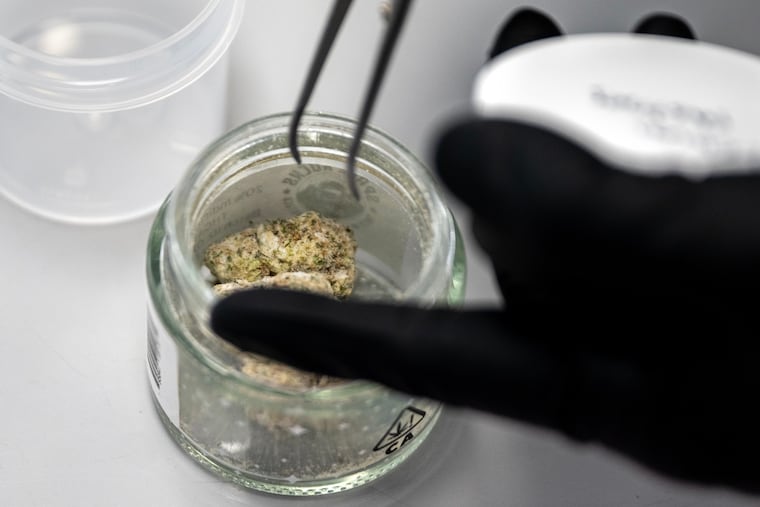
The report advocates for heightened enforcement against store operators who knowingly violate legal restrictions. It also urges state lawmakers to establish a comprehensive licensing framework for the sale of THC products, which would include strict testing requirements and age limitations. According to the report, a significant quantity of what are marketed as THCA or Delta-8 products were found to actually be illicit cannabis products, repackaged under the guise of legality, often accompanied by false certifications of authenticity.
Testing conducted by law enforcement officials mirrored findings from prior investigations, indicating that 94% of samples labeled as compliant with federal Farm Bill regulations would be classified as marijuana under federal law. The report further highlighted a notable public health crisis, noting that there are 240 hemp stores in Montgomery County alone, equating to approximately one store for every 3,662 residents.
The investigation revealed that these unregulated stores often lacked any age restrictions, substantially increasing youth access to THC products. Instances of minors, including a one-year-old child, accidentally consuming these products were documented. Many retailers not only disregarded age restrictions but also utilized eye-catching packaging that could potentially attract children.
In addition to existing products, the grand jury also documented the introduction of other intoxicating substances, such as kratom and tianeptine, further complicating the landscape of the unregulated drug market. The District Attorney noted significant parallels between the operations of these smoke shops and the tactics employed by illicit dealers on the street.
The report concludes with a strong call for reform rather than outright prohibition, emphasizing the necessity for rigorous oversight, accurate product labeling, and comprehensive regulations to safeguard both consumers and public health. This urgent recommendation seeks to address a growing crisis in cannabis product regulation in Pennsylvania, aiming to prevent harm to individuals and communities alike.