
Judges set to decide on SNAP food aid as deadline approaches for potential shutdown of payments.
In a significant legal proceeding set to unfold in Boston, two judges may provide a ruling as early as Friday regarding the Trump administration’s obligation to restore Supplemental Nutrition Assistance Program (SNAP) food aid benefits for the month of November amidst the ongoing government shutdown. This case is critical, as the grocery-buying capabilities of approximately 12.5% of the American population may depend on the forthcoming decision.
Even if the judges determine that it is unlawful to suspend SNAP benefits, which have been a staple of support for over six decades, many beneficiaries could still experience delays in accessing their reloaded debit cards utilized for grocery purchases. The process for reloading these cards can take up to two weeks, indicating that the timing may prove too late for families relying on SNAP to meet their dietary needs at the beginning of November.
During a hearing that took place on Thursday, federal judges expressed skepticism regarding the government’s claims that halting SNAP benefits is justified due to budget constraints. U.S. District Judge Indira Talwani remarked that if federal funding is insufficient, established procedures exist to adjust benefits fairly instead of implementing a blanket suspension. Judge Talwani, nominated by former President Barack Obama, hinted at a potential requirement for the government to allocate billions in emergency funding to sustain the SNAP program, reflecting her interpretation of Congressional intent during financial shortfalls.
Government lawyers contend that a contingency fund, which holds approximately billion, cannot be legally utilized for SNAP, a program that incurs costs of roughly billion monthly. However, advocates argue that there are additional federal resources available, estimated at billion, which should be directed towards maintaining SNAP.
The implications of the ruling may extend beyond the states involved in the initial legal challenge, as Judge Talwani indicated that any decision would have nationwide ramifications—a situation that could conflict with the U.S. Supreme Court’s preferences regarding nationwide injunctions.
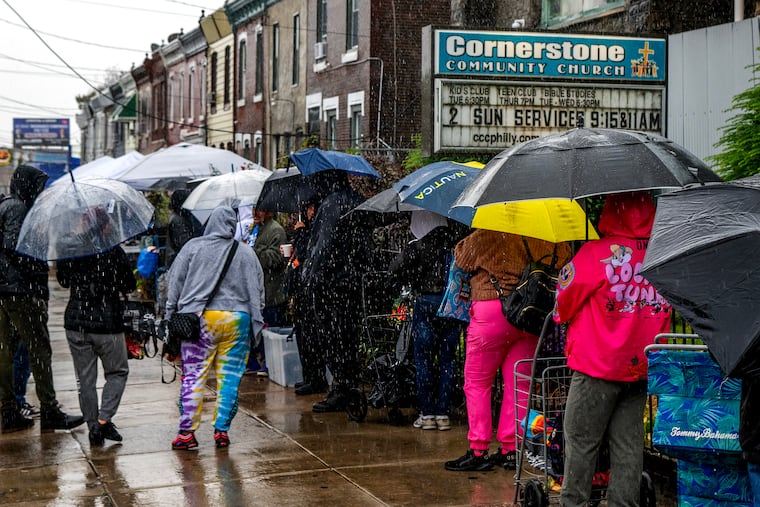
Meanwhile, a related hearing involving a coalition of cities and nonprofit organizations is scheduled in Rhode Island. Analysts predict any ruling in these cases will likely prompt an appeal, potentially prolonging uncertainty for millions of Americans. In anticipation of the possible challenges ahead, states and food banks are proactively seeking solutions to mitigate the impact on low-income households, several of which have initiated expedited funding to bolster food assistance programs.
The SNAP program, which serves over 41 million individuals—about two-thirds of whom are families with children—provides essential food support. It is crucial as many beneficiaries face tough decisions between securing nutritious food and managing other financial obligations. The impending legal outcomes carry significant weight for the livelihoods of low-income citizens already grappling with economic pressures. Media News Source.


