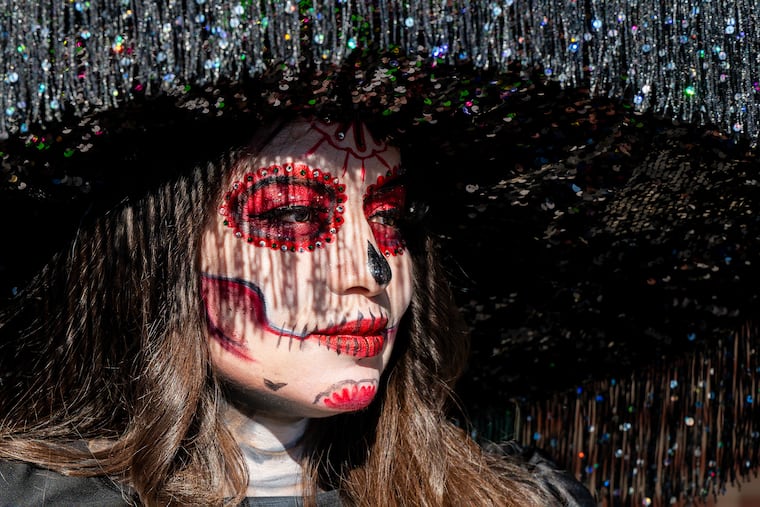
Photos Capture Highlights from Philadelphia’s Day of the Dead Festival
Celebrated annually in Mexico and increasingly embraced worldwide, Día de los Muertos, or the Day of the Dead, is a traditional holiday that honors deceased loved ones. This vibrant and culturally rich observance is deeply rooted in the belief that the spirits of the departed return to the world of the living during this special time. It serves as an opportunity for families to reunite with their ancestors, strengthening familial bonds and keeping their memory alive.
Typically observed from October 31 to November 2, the celebration incorporates elements from various Mexican traditions, including indigenous practices and Spanish Catholicism. Central to this holiday is the creation of altars, known as ofrendas, which are often elaborately decorated with photographs, favorite foods, drinks, and other items cherished by the deceased. Families visit cemeteries to clean grave sites, adorn them with flowers, and light candles to guide the spirits back home.
The marigold flower, or cempasúchil, holds particular significance during Día de los Muertos. Its vibrant orange color is said to represent the sun and is believed to attract the souls of the departed. Other traditional symbols include skulls, which are often whimsically decorated, and papel picado, intricately cut tissue paper banners that add color and festivity to the surroundings.
In recent years, Día de los Muertos has gained international recognition, with celebrations being held in various countries, particularly in regions with significant Mexican communities. The holiday serves not only as a means of remembrance but also as a way to educate individuals about Mexican culture and traditions. It has been included in UNESCO’s Representative List of the Intangible Cultural Heritage of Humanity, reflecting its importance in preserving cultural identity.
As Día de los Muertos approaches, various events, including parades, festivals, and workshops, are organized to engage communities in the spirit of the holiday. These activities often promote artistic expression, community engagement, and a deeper understanding of cultural diversity. In a world increasingly focused on the fleeting nature of life, Día de los Muertos stands out as a powerful reminder of the enduring connection between the living and the dead, fostering a sense of continuity and remembrance that resonates deeply across generations. Those participating in the festivities play a vital role in keeping these cherished traditions alive, ensuring that the memories of loved ones remain a vital part of cultural heritage.
Media News Source