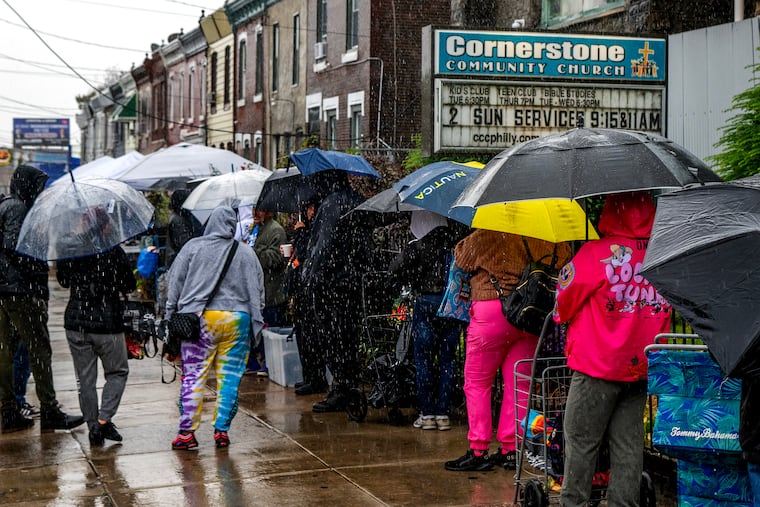
Philly-area food pantries experience increased demand amid significant delays in reduced SNAP payouts.
In recent developments regarding the Supplemental Nutrition Assistance Program (SNAP), President Donald Trump’s administration has announced plans to partially restore benefits to families across the Philadelphia region. This announcement comes as a welcome, albeit insufficient, measure for many families as the distribution of SNAP benefits had been halted for three days.
On Friday, federal judges in Rhode Island and Massachusetts ruled that the administration must utilize a billion contingency fund from the U.S. Department of Agriculture to replenish SNAP benefits. This decision was seen as a partial victory for the coalition of 25 attorneys general and governors, including Pennsylvania’s Governor Josh Shapiro, who had initiated legal action to compel the administration to fund SNAP adequately.
Despite the court’s ruling, the announcement that the benefits restored would only cover half of the usual monthly distribution left advocates and families disappointed. SNAP benefits typically amount to approximately billion across the nation each month. Officials warned that utilizing only half of this funding would not suffice for new applicants or provide necessary disaster assistance.
The process of distributing benefits, particularly the timeline for when families might expect to receive these funds, remains uncertain. Patrick A. Penn, an undersecretary at the Agriculture Department, indicated that a series of procedural issues could lead to significant delays and payment errors, further exacerbating the plight of families relying on these benefits.
Panic has already set in among local food pantries in the Philadelphia area, which are witnessing a surge in demand for food assistance. Murphy’s Giving Market, located in Upper Darby, has reported an increase in inquiries since the benefits lapse, helping approximately 115 new families in need.
As the crisis unfolds, other organizations, such as Bebashi in West Philadelphia, have also stepped up to provide emergency food assistance. The impact of this benefits freeze coincides with rising grocery prices, the effects of tariffs, and state budgetary issues, complicating the situation for individuals reliant on SNAP.
With approximately two million Pennsylvanians receiving SNAP benefits, including 713,000 children, the urgency for assistance is palpable. In response to the crisis, both state and local officials have mobilized resources, with Governor Shapiro activating a disaster declaration that allocated million in emergency funds to nonprofit organizations working to augment food availability.
In Philadelphia, Mayor Cherelle Parker’s executive order directed .5 million to food pantries and small grocery businesses, while philanthropic groups contributed another million to a regional food fund. Despite these efforts, experts acknowledge that the comprehensive support required to address food insecurity cannot be matched by local initiatives alone, as federal SNAP benefits in Pennsylvania total 6 million per month.
The outlook remains daunting, as area food pantries anticipate continued high demand for their services given the reduction of SNAP benefits. The average payout of 7 per person each month further underscores the vulnerability facing many families as they navigate these challenging economic circumstances.