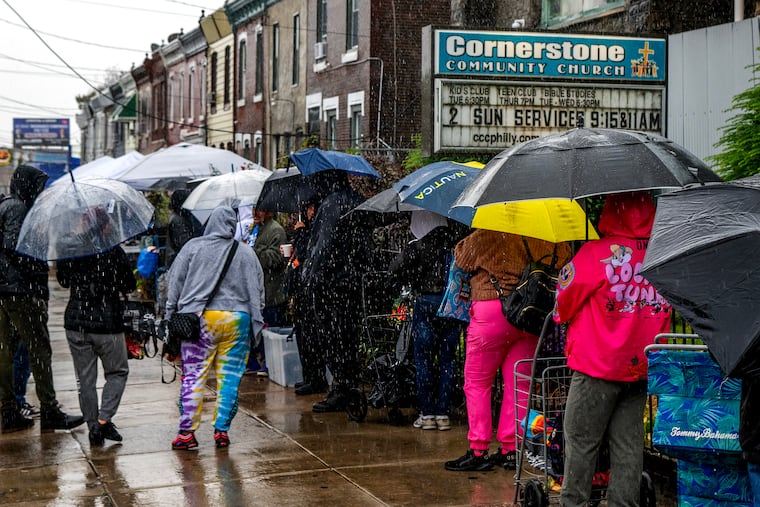
Pennsylvania’s Shapiro administration calls for expedited full SNAP payments as Philadelphia City Council discusses local impacts.
Two federal judges in Rhode Island and Massachusetts have mandated that the Trump administration access a nearly billion contingency fund to address the inadequacies in Supplemental Nutrition Assistance Program (SNAP) benefits. This directive comes in response to the exhaustion of SNAP funds, which occurred on November 1. As the implementation of this decision unfolds, uncertainty looms regarding when residents of Pennsylvania will receive the reinstituted benefits.
Preliminary estimates suggest that Pennsylvania could experience weeks of delays in receiving partial SNAP payouts. In light of this situation, state officials are actively appealing to the Trump administration for a more streamlined process for distributing benefits. Concurrently, local authorities in Philadelphia are preparing for a significant surge in demand for food assistance, as families increasingly rely on food pantries during this challenging period.
The United States Department of Agriculture (USDA) has cautioned states about the “procedural difficulties” that could ensue from outdated computer systems. These technical limitations are likely to result in payment errors and further delays. Some states attribute these delays to the complex methodology the USDA has implemented for releasing funds, which necessitates intricate calculations to ascertain adjusted benefits.
In a letter addressed to the USDA, Pennsylvania Department of Human Services Secretary Val Arkoosh expressed concerns regarding the current guidance, which could necessitate a complete overhaul of the state’s eligibility and case management systems. Such restructuring is projected to require about 10,000 hours of work, equating to roughly 10 to 12 business days. This timeline could extend even further depending on vendor availability. Once the restructuring is finalized, distributing the benefits is expected to take an additional 10 days.
Advocates for food assistance programs, however, underscore the pressing need for the USDA to facilitate a more efficient approach. The left-leaning Center on Budget and Policy Priorities estimated that approximately 1.2 million households reliant on SNAP would not receive benefits for November. Secretary Arkoosh has urged the USDA to simplify the process by approving one-time payments equating to half of what households typically qualify for.
The impact of SNAP’s funding issues is already manifesting in Philadelphia, where food pantries are facing skyrocketing need amid a pre-existing uptick in demand. Some major food distributors reported an influx of families seeking assistance, exacerbating an already critical situation.
In response, local philanthropies and government bodies have mobilized financial resources; Mayor Cherelle L. Parker recently signed an executive order allocating .5 million to assist food pantries and families reliant on city services. While these efforts are commendable, many in Pennsylvania recognize that these funds cannot replace the 6 million in monthly benefits usually provided through SNAP. As council members strategize potential solutions, some have even suggested lobbying major corporations in Philadelphia for additional support during this time of crisis.
With ongoing discussions and potential emergency hearings, the future of SNAP benefits remains uncertain for the 2 million residents in Pennsylvania who depend on them. The situation underscores the challenges posed by bureaucratic inefficiencies during times of urgent need, making it increasingly clear that rapid action is required to safeguard vulnerable populations.