
Suicide Occurs Following Diagnosis, Sparking Grief in Community
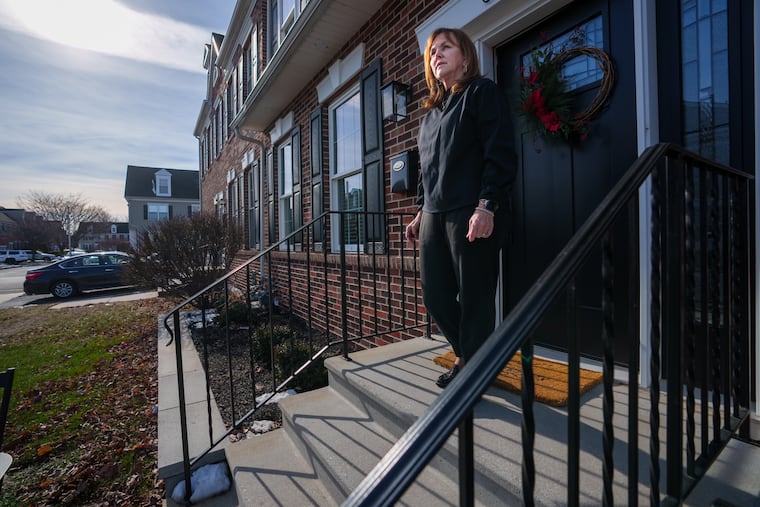
In a heartfelt encounter with early-onset Alzheimer’s disease, a widow from Philadelphia is making remarkable strides to assist others grappling with this debilitating condition. Her journey began after her husband, a successful local businessman, chose to take his own life rather than burden his family with the challenges posed by his diagnosis.
The impact of early-onset Alzheimer’s, which affects individuals typically under the age of 65, can be devastating—not only for those diagnosed but also for their families. Current statistics suggest that approximately 5 million Americans are living with Alzheimer’s disease, a number that highlights the urgency for improved resources and support systems for both patients and caregivers alike. The disease can progress rapidly, leading to cognitive decline and significant lifestyle changes, creating emotional and financial strain on families.
Faced with the loss of her husband, the widow is now committed to forming a support network for families impacted by Alzheimer’s. She aims to provide the necessary tools and resources to help others navigate the complexities of diagnosis, caregiving, and emotional distress. By sharing her experience, she hopes to cultivate a community where individuals can connect and find solace in shared challenges.
Her initiative comes at a critical time. Experts note that the demand for Alzheimer’s care is escalating, necessitating increased awareness and funding for research and care services. Advocacy groups emphasize the importance of early diagnosis and community support, which can significantly improve the quality of life for those affected.
In addition to raising awareness, the widow is working to create educational programs that focus on not only coping with the disease but also celebrating the lives of those within the community. Her story and efforts serve as powerful reminders of the importance of compassion and understanding in the face of life-altering challenges.
As the widow continues her work, she stands as a beacon of hope for others, demonstrating that even in the depths of personal tragedy, one can find purpose and resilience. Her mission will undoubtedly touch many lives, fostering a stronger, more supportive environment for those battling early-onset Alzheimer’s and their families.
The need for action is pressing, and her initiative could potentially spark a wave of similar initiatives across the country, drawing attention to the essential challenges faced by those affected by Alzheimer’s disease. As discussions around mental health and healthcare continue to evolve, stories like hers remind us that community and support can make all the difference in combatting isolation in the face of such significant health concerns.
Media News Source


