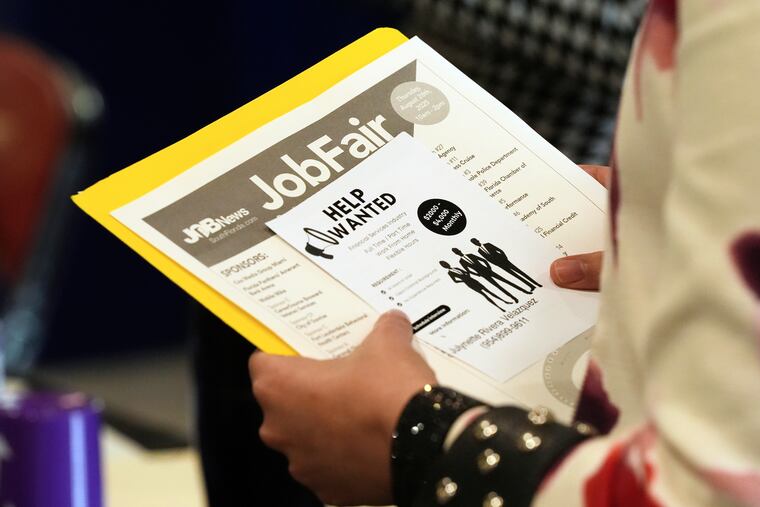
Layoffs reach recession-level highs as of October, according to recent data.
Layoffs in the United States have surged in October, indicating trends typically associated with economic downturns. According to a report released by Challenger, Gray & Christmas, a private consulting firm specializing in tracking job reductions, total layoffs for the year have reached approximately 1.1 million. This figure marks the highest level of job cuts since the pandemic-induced recession and aligns with trends observed during the 2008-2009 Great Recession.
The recent increase in layoffs has raised alarm as major corporations, including UPS, Amazon, and Target, have contributed significantly to these figures. The firm noted that over 153,000 job cuts were reported just in October, representing a staggering 183% increase compared to September’s data, hence making it the worst October for layoffs since 2003. The predominant motivations for these job reductions have been cost-cutting measures and the integration of artificial intelligence within various sectors.
John Challenger, CEO of Challenger, Gray & Christmas, pointed to the substantial size of recent layoffs, with figures such as 48,000 from UPS and potentially 30,000 from Amazon, as indicators of a significant shift in employment trends. The ongoing layoffs have predominantly targeted sectors such as technology, retail, service, and warehousing.
Adding to the economic uncertainty is the protracted government shutdown, now extending into its second month, which has left economists without critical employment data at this crucial juncture. Historically, the job market has served as a foundation of stability for the economy, but there are increasing signs that employers are not only reducing hiring but are also implementing extensive layoffs.
Despite these troubling developments, the overall economy appears resilient for the time being. As of August, the unemployment rate was reported at 4.3%, a relatively low figure. However, economic analysts warn that the situation could deteriorate rapidly if the current layoffs continue.
In a recent report from ADP, a payroll processing company, private sector hiring showed signs of a slight rebound with the addition of 42,000 jobs in October. Nevertheless, significant job losses persist in white-collar industries, particularly in information services and professional and business services sectors.
The Federal Reserve, previously focused on managing inflation, has begun to pivot its attention to the labor market. Recently, the central bank announced a reduction in interest rates by a quarter percentage point, citing “downside risks” to employment prospects.
As companies announce hiring slowdowns and layoffs, the current spike in job cuts—175% higher than the previous year—contrasts starkly with historical norms, particularly as firms face financial pressures driven by tariffs, budget reductions, and evolving technology landscapes.
The technology sector, in particular, has been significantly impacted, with over 141,000 job cuts reported thus far in the year. This represents a 17% increase compared to last year, reflecting both a slowdown in demand and the disruptive influence of artificial intelligence.
Amidst this fluctuating job market, many individuals, like Scott Boggs, a software developer who faced layoffs in Houston, are navigating new employment challenges. With the aim of securing a position in an increasingly competitive landscape, many job seekers are expressing concern about their prospects as the economy grapples with these transformative changes.
As these trends develop, the focus will remain on the interplay between automation and economic stability, as both employees and employers navigate an uncertain future.
Media News Source