
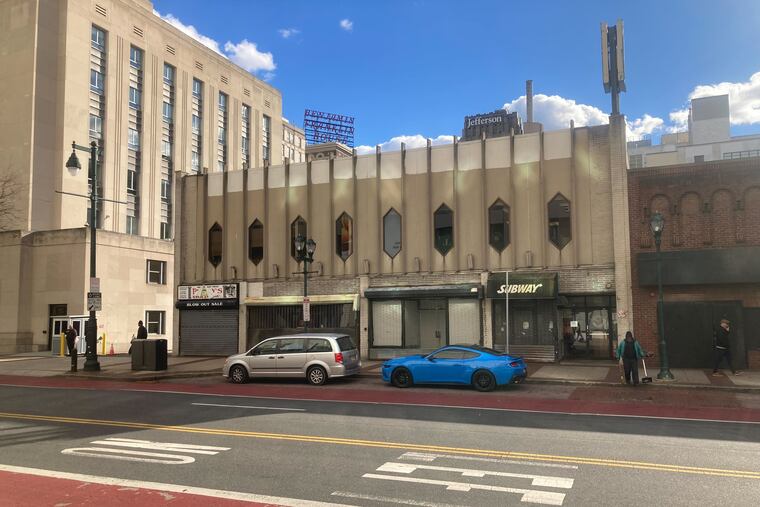
East Market Street methadone clinic to close; facility is owned by Comcast and the 76ers.
The impending closure of Addiction Medicine & Health Advocates, located at 928 E. Market Street in Philadelphia, marks a significant shift in the accessibility of drug treatment services in the area. The clinic, which has provided essential addiction treatment services since 2009, is expected to cease operations by the end of this year, closing one of the most centrally situated methadone clinics in the city.
Addiction Medicine has served a substantial number of patients yearly, offering vital support for individuals struggling with opioid addiction. Despite the shuttering of several neighboring businesses in recent years, the clinic has remained a steadfast resource in the community. Its discreet entrance often overlooked, the clinic occupies a second-floor space that has become vital for many, particularly in light of Philadelphia’s ongoing opioid crisis.
The future of the clinic has been uncertain since the Philadelphia 76ers announced plans to renovate and possibly relocate their arena to the Center City area. Initial development goals aimed at revitalizing the southern side of the 900 and 1000 blocks of Market Street included repurposing several properties and integrating new projects—part of an ambition that began in 2022. Although a deal for the arena ultimately fell through, the 76ers and Comcast confirmed intentions for broader real estate developments in the vicinity, which include the clinic’s current location.
Earlier this year, these organizations disclosed their acquiring properties in the affected areas, raising the likelihood of redevelopment. In October, plans were unveiled to demolish several properties along Market Street, including those that house essential services.
As the clinic prepares to close, many local organizations are collaborating to facilitate a seamless transition for current patients, ensuring their access to ongoing methadone treatment. The medication is crucial for individuals battling opioid dependence, as it helps alleviate cravings for dangerous narcotics. Community Behavioral Health (CBH), the city’s contracted nonprofit for coordinating addiction treatment services, is spearheading these efforts. Officials from CBH have worked closely with Addiction Medicine since September to support its patients through this transition.
Despite the challenges posed by the clinic’s closure, CBH expressed confidence that they can meet the ongoing demand for methadone treatment in the city. Currently, CBH maintains a network of 15 methadone clinics, yet the total number operating in Philadelphia remains unclear.
The closure of Addiction Medicine coincides with the earlier shutdown of Wedge Recovery Centers, which had eight locations and served approximately 1,900 patients, primarily under Medicaid. That facility’s closure was attributed to rising operational costs, lower patient enrollment, and inadequate governmental financial support.
Health advocates and addiction treatment providers are becoming increasingly concerned about the implications of such closures on patient care. The regulatory framework governing methadone requires patients to physically attend clinics for their daily doses, complicating transitions and potentially disrupting treatment for vulnerable individuals. Furthermore, the Accessibility of Clinics is paramount; as Addiction Medicine’s central location benefitted many patients reliant on public transportation, finding new facilities may pose significant barriers.
The larger question surrounding these closures raises concerns about the capacity to address the growing addiction crisis in Philadelphia. As more treatment centers shut their doors, the risk of leaving many individuals without access to essential services becomes an increasingly pressing issue. Health care professionals emphasize the importance of ensuring that displaced patients are seamlessly guided to treatment options, highlighting the critical need for strategic planning in the face of ongoing challenges in addiction care.
The forthcoming transition at Addiction Medicine underscores the urgent need for a robust response to the city’s addiction treatment landscape, as stakeholders work to ensure that essential services continue to be accessible for those most in need.


