States uncertain about SNAP benefits as administration attempts to change food assistance payments.
States managing the Supplemental Nutrition Assistance Program (SNAP), which aids approximately 42 million Americans, are currently grappling with significant uncertainty regarding the full provision of monthly benefits amidst an ongoing legal dispute related to the U.S. government shutdown. The crisis escalated over the weekend when the Trump administration requested that states retract the full benefits that had been disbursed due to a temporary federal court ruling, which was subsequently stayed by a Supreme Court justice.
A federal appeals court in Boston upheld the directive for full benefits late on Sunday, although the Supreme Court’s intervention means disbursements will likely remain paused for at least 48 hours. Judge Julie Rikleman of the U.S. 1st Circuit Court of Appeals criticized the government for delays in processing benefits, emphasizing the negative impact on countless recipients.
Despite being ordered to provide full benefits, the Trump administration initially intended to withhold SNAP benefits for November due to the ongoing government shutdown. Legal actions initiated by states and nonprofit organizations led to court rulings in Massachusetts and Rhode Island, which concluded that the administration could not entirely eliminate benefits for the month. Following these rulings, the administration proposed to utilize an emergency fund to cover only 65% of the maximum monthly benefits. However, U.S. District Judge John J. McConnell deemed this response inadequate, ordering full funding by Friday.
As a result of the controversial court orders, some states proactively instructed their electronic benefit transfer (EBT) vendors to distribute full monthly SNAP benefits. While many recipients in these states were able to access funds for groceries, Justice Ketanji Brown Jackson’s stay on Judge McConnell’s order raised concerns about further disbursements.
Many states are now experiencing operational challenges and potential reimbursement issues if the federal government does not compensate for the benefits already authorized. Some have begun to issue partial payments using state funds while awaiting further guidance from the U.S. Department of Agriculture, which oversees the SNAP program.
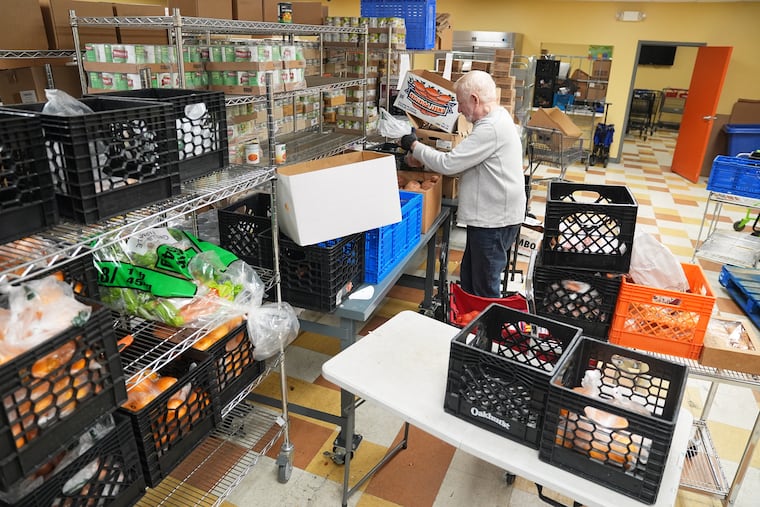
Amid these developments, advocates for food security have voiced concerns about the ongoing delays in benefit distributions. They emphasize the harmful consequences for vulnerable populations, including children and low-income families, who depend on these resources for nutrition.
While the Trump administration is poised to seek further judicial intervention, Democratic governors have pledged to defy any federal efforts to retract SNAP benefits already issued to recipients. In Connecticut, for instance, Governor Ned Lamont reassured his constituents that eligible residents would not lose the assistance they rely on. This lingering legal and administrative turmoil highlights the precarious nature of food assistance in the face of political strife and underscores the urgent need for a resolution to ensure continuous support for American families during these challenging times.
Media News Source.