Home flipping in Philadelphia and elsewhere has become more challenging due to market changes and rising costs.
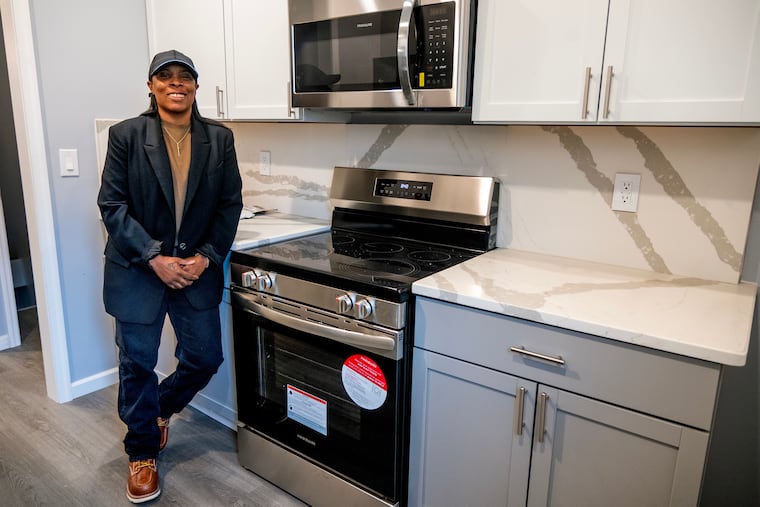
Antoinene Fullard entered the real estate market with aspirations as a house flipper, purchasing her inaugural property in Germantown for approximately ,000 in 2021. The project was a complete renovation, extending well beyond her initial timeline. Ultimately, the property was sold in 2023 for 5,000. After settling with investors and paying off loans, Fullard found the return on investment to be modest, falling short of her expectations for what she believed could have been a highly profitable venture.
Fullard’s subsequent project involved a fire-damaged rowhouse in South Philadelphia. Despite investing substantial effort into the renovation, the property is now under contract for 5,000—considerably less than the anticipated 0,000. Nevertheless, Fullard expressed satisfaction in knowing her buyer is a young Black woman entering homeownership for the first time, aligning with her mission of contributing positively to the community.
Navigating the current environment proves challenging for house flippers like Fullard. Rising costs associated with properties, construction materials, and borrowing create a tougher landscape for investors. Many seasoned buyers are reporting diminished profit margins as the Philadelphia housing market experiences a slowdown, giving buyers enhanced negotiating power.
Dara Ellis, a renowned real estate broker at RE/MAX @ Home, highlighted the shift in the flipping landscape. Previously flourishing, flippers are now struggling to maintain the once lucrative business model as ideal properties become scarce. Statistics from ATTOM indicate that home flips composed roughly 8% of the Philadelphia metropolitan area’s sales last spring, with around 1,400 homes flipped.
Despite these hurdles, Fullard and other investors remain optimistic. The Philadelphia market still offers potential rewards, with properties available for under 0,000 that require rehabilitation. Susan Naftulin of Rehab Financial Group emphasizes that 40% of their business arises from investors targeting Philadelphia for its economic opportunities.
While many investors turn to renting properties instead of flipping, Fullard remains dedicated to renovation. She continues to undertake multiple projects, driven by her commitment to enhancing her community. Learning through each experience, she prioritizes creating quality residential spaces for others.
As the real estate landscape continues to evolve, the future of home flipping will depend on investors’ ability to adapt to changing market conditions, identify promising properties, and manage their renovations efficiently. The shifting dynamics of the Philadelphia housing market reflect broader trends shaping real estate across the nation, emphasizing the challenges and opportunities that lie ahead for both seasoned and novice investors alike.
Media News Source