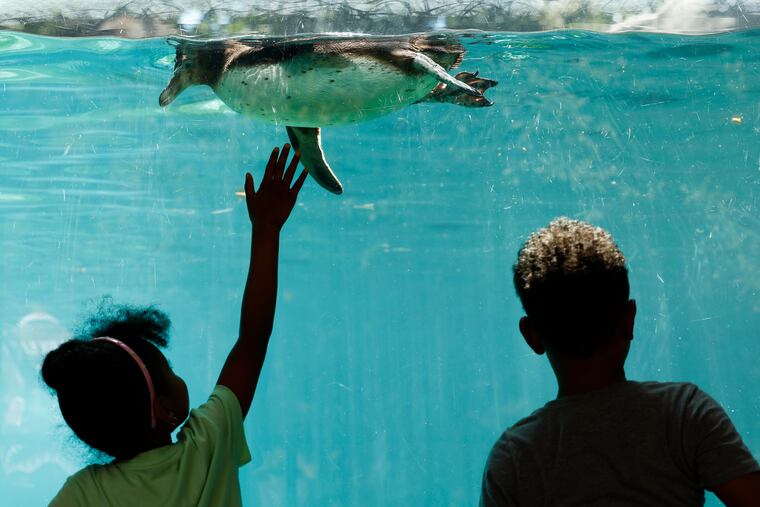
City life changes perceptions of animals and people, fostering a new understanding of urban coexistence.
In an era where urban conservation and community engagement intersect, the Philadelphia Zoo stands out as a beacon of innovation and inclusivity. Under the leadership of its first female and African American president and CEO, the zoo has committed to redefining its role beyond mere entertainment, aiming instead to serve as a catalyst for social good through wildlife conservation.
Growing up on Chicago’s South Side, the new CEO discovered an appreciation for nature that was not confined to distant landscapes. Instead, she cultivated her observational skills in the vibrant urban ecosystem around her. This childhood experience inspired a lifelong commitment to conservation, ultimately leading her to Philadelphia, where she now oversees the nation’s first zoo, established in 1859.
Her career has focused on bridging the gap between scientific knowledge and community needs, promoting a model where decisions are made collaboratively, not in isolation. This approach was evident during her tenure at Brookfield Zoo, where she formed neighborhood advisory boards, ensuring local voices shaped conservation initiatives.
The philosophy of community engagement continued in St. Louis, where she collaborated on WildCare Park, a project designed to connect urban populations with wildlife. Her initiatives have consistently emphasized that urban zoos can play vital roles in enhancing community well-being while addressing global conservation issues.
The Philadelphia Zoo has taken significant strides in this direction, welcoming over one million low-income students who benefit from federal Title I funding. With more than 130,000 school children participating in educational field trips each year, the zoo integrates classroom content into interactive experiences, enhancing learning across multiple subjects. Programs designed for neurodivergent children and community events, such as back-to-school nights offering haircuts and school supplies, demonstrate the zoo’s commitment to its local populace.
Beyond education, the zoo invests in conservation efforts, including international fieldwork aimed at safeguarding endangered species. Recent initiatives like the hatching of critically endangered Galápagos tortoises garnered global attention, showcasing the zoo’s role as an ambassador for wildlife conservation.
The ongoing million transformation of Carey Bear Country aims to provide animal habitats that prioritize well-being while enhancing the zoo’s significant economic impact on the Philadelphia area, which generates approximately 4 million annually and supports about 750 jobs.
As urban zoos evolve, they face choices that could redefine their influence within the community. By forming partnerships, co-designing educational spaces, and prioritizing programs that benefit both people and wildlife, these institutions can fulfill their potential as crucial civic infrastructure. The Philadelphia Zoo exemplifies this vision, striving to create a healthier, more connected community through the appreciation of nature and wildlife. This commitment not only enriches the lives of local residents but reinforces the notion that conservation and social responsibility are inextricably linked.
Media News Source