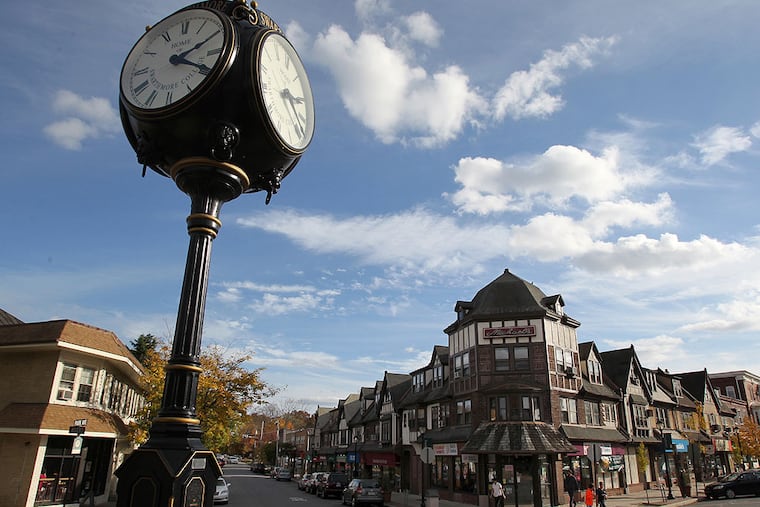
Swarthmore residents face a new tax starting next year.
Swarthmore, Pennsylvania, is set to implement a new emergency service tax in response to rising costs and budgetary constraints. This decision was made during a recent borough council meeting and will lead to an increase of approximately to per month on residents’ property tax bills. The new tax comes on the heels of earlier discussions in which the borough council considered an earned income tax but ultimately opted not to pursue it.
Evidently, the financial landscape in Swarthmore has been challenging, particularly following the closure of both Crozer-Chester Medical Center and Taylor Hospital earlier this year. This has contributed to a significant decline in tax revenue as the demand for emergency services continues to rise. Cindy MacLeod, chair of the finance committee, highlighted the difficulties faced by the borough in balancing financial needs with the services required by the community.
To aid in addressing these financial issues, Swarthmore College has stepped forward to contribute 8,000 toward the borough’s emergency services. The contribution has alleviated some of the financial burdens faced by the local government and has played a significant role in the decision to forgo the previously proposed income tax.
In other recent events, Media, a neighboring town, celebrated Veterans Day with a vibrant parade, a tradition that has been part of the community since 1960. The parade this year featured 100-year-old Ed Buffman, a World War II Navy veteran, as the grand marshal, emphasizing the town’s commitment to honoring its veterans.
Additionally, local law enforcement in Nether Providence Township has instituted a new victim advocacy pilot program designed to assist victims of violent crime as they navigate the legal system. This initiative showcases a collaborative effort to enhance community support services in light of rising concerns about crime.
Moreover, the Southeastern Pennsylvania Transportation Authority (SEPTA) is nearing completion of its inspection of all Silverliner IV Regional Rail cars as part of ongoing upgrades aimed at improving service reliability. Meanwhile, the Colonial Pennsylvania Farmstead faces significant challenges due to the loss of grant funding from the National Endowment for the Humanities, which was intended to support the museum’s initiatives, particularly around the narratives of enslaved individuals in the region.
As tax rates continue to fluctuate across Delaware County—most recently demonstrated by a proposal for a 19% property tax increase—residents are bracing for shifting economic conditions and their potential impacts. The community remains committed to finding sustainable solutions amid these transitions.