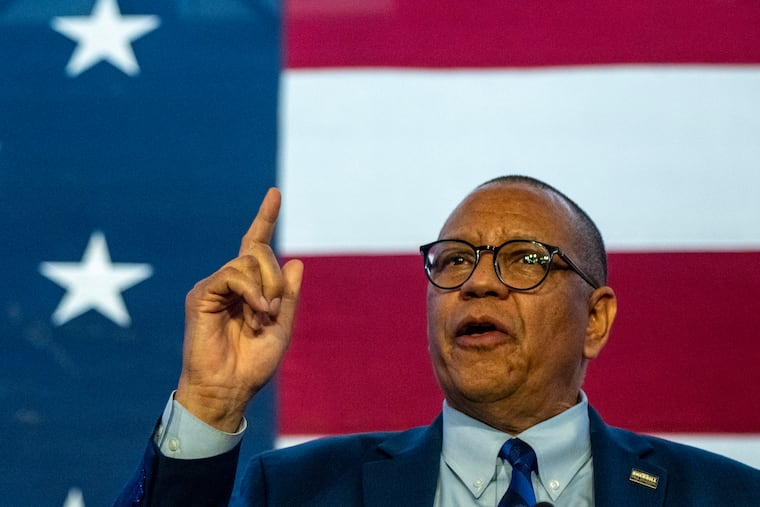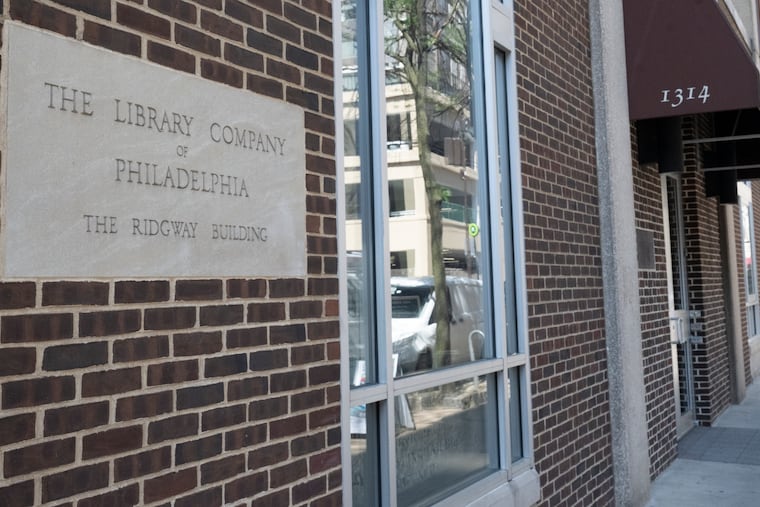
Trustee resigns from Library Company of Philadelphia, citing personal reasons for departure.
The Library Company of Philadelphia, a pioneering institution in American history, faces a pivotal moment as it contemplates a change in governance. Founded in 1731 by Benjamin Franklin and his contemporaries, the Library Company has been influential not only in the cultural discourse of its time but also in shaping the very foundations of American democracy. Throughout its nearly three centuries of operation, it provided access to an extensive range of literature to the citizens of Philadelphia, including works in philosophy, science, and agriculture, thus helping to foster an informed populace.
The Library Company played a crucial role in the intellectual life of early America, with its resources utilized by the Founding Fathers in the drafting of vital documents, including the U.S. Constitution. Historically significant, it served as the nation’s first Library of Congress from 1774 until 1800, further highlighting its importance to American scholarship and civic life.
Currently, the Library Company functions as a specialized research library, housing remarkable collections that represent the material culture of the 18th and 19th centuries. Its archives include original texts and pamphlets, such as those authored by Richard Allen and Absalom Jones in 1794, which tackle social issues pertinent to African Americans at that time. Such historical materials are valuable for understanding the context of their creation and the societal currents they address.
However, the Library Company is now confronting substantial financial challenges that threaten its sustainability. This year, its board faced advisement that without a significant influx of unrestricted funds, the institution could be forced to close in the near future. In response to these pressing issues, trustees voted on October 9 to cede control of the Library Company to Temple University, a decision that was met with considerable dissent among some board members.
This transition marks a momentous shift, as the Library Company will maintain its name but relinquish its historic identity as a shareholder-driven entity. Critics lament the potential loss of independence, expressing concerns that the affiliation with an academic institution may lead to a dilution of its mission and collection integrity. Questions regarding the future accessibility of its collections and the fate of its dedicated staff have sparked heated debate among stakeholders.
While Temple University has prioritized financial stability and commitments to diversity and academic freedom, apprehensions remain regarding the potential for political influence to compromise the Library Company’s role as an independent research enhancer. The current atmosphere of diminished focus on comprehensive historical narratives, particularly those surrounding marginalized communities, raises further alarm about the preservation of diverse perspectives within the library’s programs.
As this venerable institution embarks on a new chapter, the hope remains that its rich legacy and commitment to scholarly exploration will endure, safeguarding its essential role in American cultural and historical discourse. The Library Company of Philadelphia stands as a testament to the ideals of free thought and the pursuit of knowledge, embodying values that deserve perpetuation in the contemporary era.
Media News Source