SEPTA completes train car inspections; immediate improvements to Regional Rail commutes not expected due to ongoing issues.
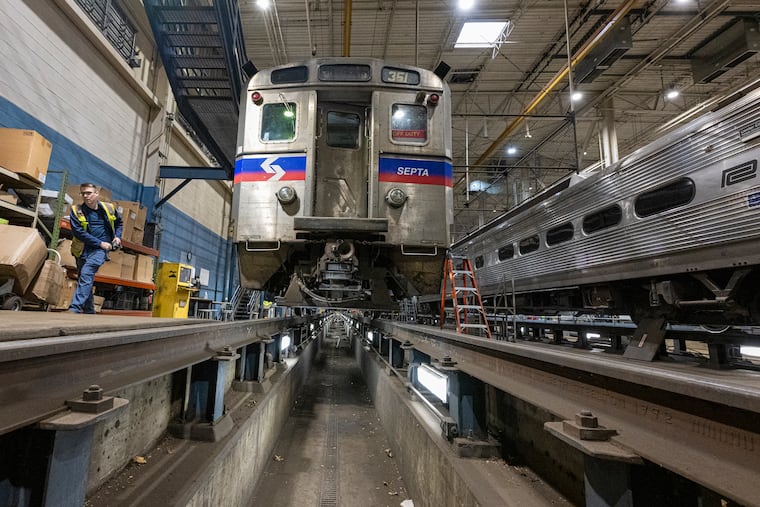
SEPTA, the regional transit authority serving Greater Philadelphia, has successfully completed extensive safety inspections on all 223 Silverliner IV Regional Rail vehicles, adhering to a tight deadline established by federal regulators. However, as of Friday, only 76 of these vehicles have been reinstated into service, with the remainder requiring various repairs identified during the inspection process.
SEPTA General Manager Scott Sauer emphasized the organization’s commitment to safety, stating that every identified repair, regardless of scale, must be addressed before any rail car can be returned to operation. This heightened focus on maintenance comes in the wake of five train fires involving the aging Silverliner IV fleet earlier this year, prompting the Federal Railroad Administration to mandate thorough inspections and necessary repairs.
Due to the ongoing inspections and extensive repair work, riders have faced significant disruptions, including delays, cancellations, and overcrowding, as many trains have been operating with fewer cars than usual. In a preemptive measure, SEPTA canceled 22 trains on multiple lines this past week due to a shortage of operational vehicles, compounding frustrations for commuters reliant on the Regional Rail system.
Sauer recognized the inconvenience caused to customers, expressing gratitude for their patience as the agency navigates through these challenges. He also acknowledged the dedication of SEPTA staff who have been instrumental in managing this complex repair effort. The overhaul has incurred approximately 0,000 in overtime costs, with ongoing expenses projected to total about 0,000 weekly until the repairs, including the installation of new thermal detection circuits, are completed.
Currently, sales projections suggest that SEPTA can average the return of about five cars to service daily. Among the repairs conducted, crews have identified issues with traction motors that required extensive repairs, typically taking about a day to resolve. Meanwhile, other less complex repairs, such as replacing worn electrical contact tips, take significantly less time.
In addition to addressing immediate concerns, SEPTA is implementing long-term solutions to enhance fleet reliability. The agency has arranged to lease 10 passenger coach cars from Maryland’s commuter rail agency, with plans to secure 234 new cars designated as Silverliner VI in the future. The anticipated cost for these new vehicles is approximately billion, and SEPTA plans to explore federal loan options to finance this significant investment.
The necessary installation of advanced circuitry to detect excessive heat will further bolster safety and reliability, with a deadline set for early December. As of now, 67 of the cars have already been fitted with this new technology, promising improvements in the overall operation of the Silverliner fleet. The ongoing restoration efforts are indicative of SEPTA’s prioritization of safety, aiming to stabilize commuter services in the months to come.
As SEPTA continues to confront the substantial challenges posed by the age of its fleet, the transit authority is focused on both immediate remedies and strategies for future enhancements. The gradual rollout of repairs and the upcoming introduction of new cars are crucial steps toward improving service reliability for the Pennsylvania region’s commuters.
Media News Source.