Pennsylvania budget allocates million to combat hunger, an increase of million from the previous year.
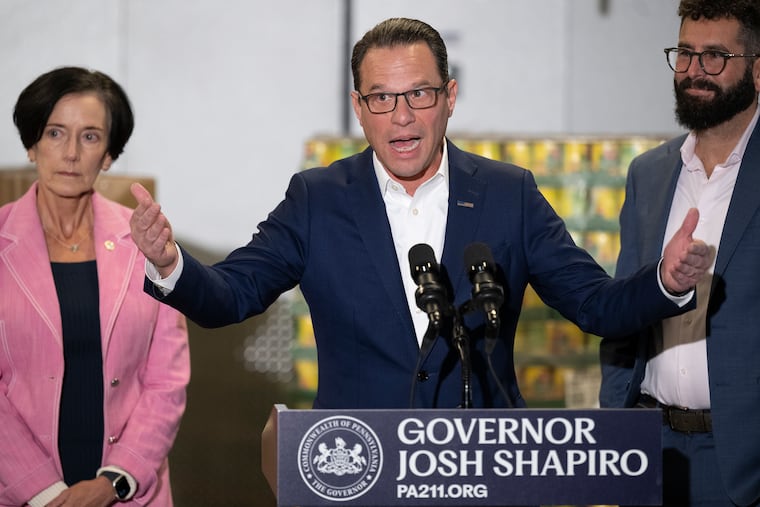
In a significant development for food assistance in Pennsylvania, the state legislature has approved a substantive increase in funding for antihunger programs, marking a 38% rise from the previous year. The newly passed state budget allocates over million to address food insecurity, representing an increase of approximately million. Among this budget, an earmarked million is designated specifically for food banks statewide, as announced by Governor Josh Shapiro’s office.
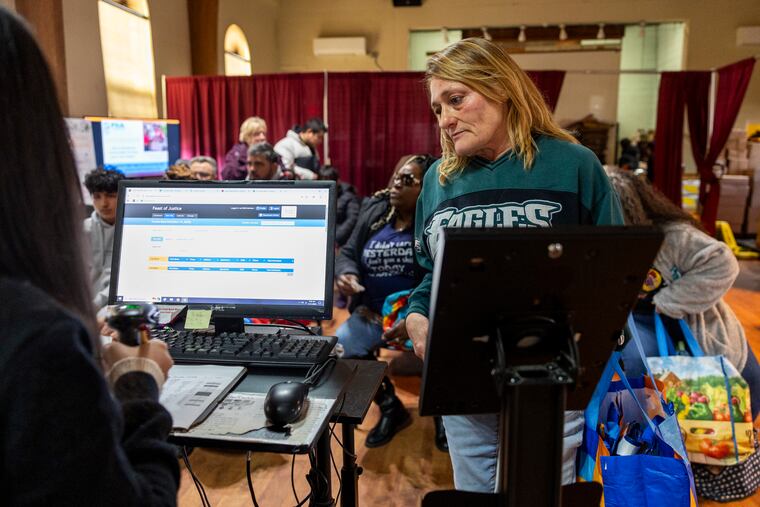
This financial boost is crucial for organizations such as the Share Food Program and Philabundance, both of which play vital roles in supplying food to local pantries in the Philadelphia area. The funding increase comes in response to escalating demand for food assistance, compounded by disruptions to the federal Supplemental Nutrition Assistance Program (SNAP). According to state data, SNAP assists almost one in eight Pennsylvanians in purchasing food, and the recent government shutdown significantly affected the distribution of these benefits.
Pennsylvania’s new budget, which totals nearly .1 billion, was signed into law by Governor Shapiro after a protracted standoff lasting 135 days. This allocation provides an urgent response to the recent challenges faced by food assistance programs and aims to mitigate the impacts of the federal disruptions. Officials state that normal SNAP benefits are expected to resume shortly, alleviating some of the immediate pressures on food banks.
In detail, the State Food Purchase Program (SFPP) will see a budget increase from .6 million to .6 million, allowing food banks to purchase food from various sources, while additional funding has been allocated to the Pennsylvania Agricultural Surplus System, reinforcing the state’s commitment to supporting local farmers.
Furthermore, the budget enhances support for farmers’ market food coupons, increasing funds from .5 million to .5 million, thus enabling better access to fresh produce. The program aims to buy food from local farmers, promoting community resilience in addressing food insecurity.
As food banks grapple with heightened demand, leaders in the sector have expressed their gratitude for the recent funding but caution that current allocations still fall short of the needs presented by the ongoing hunger crisis. Recent months have shown a reported 120% rise in food requests, underscoring the urgent need for comprehensive solutions to food insecurity.
With the increase in funding, community advocates emphasize the essential nature of supplemental support systems. They continuously highlight that food banks alone cannot meet the totality of community needs but remain a critical resource in conjunction with government programs.