Trump tariffs may halt growth at the Port of Philadelphia for a decade.
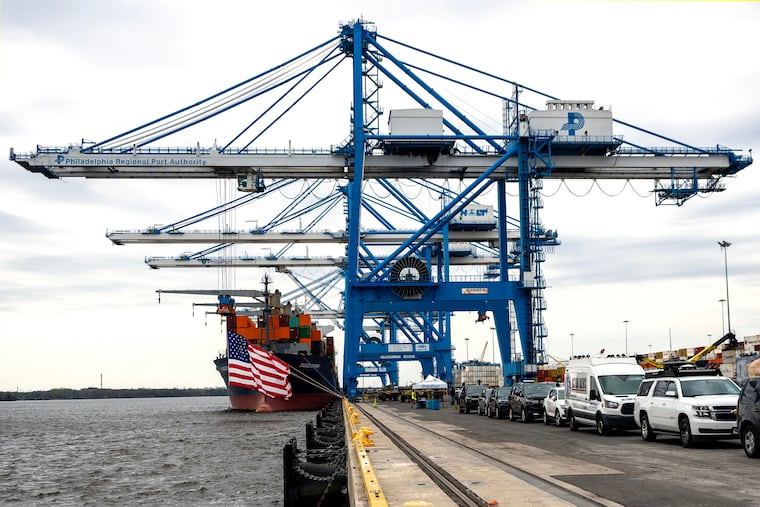
In March 2023, the container ship Marco Polo made a historic arrival at the Packer Avenue Marine Terminal, navigating the Delaware River to deliver a shipment of clementines from Morocco. This event marked a significant milestone, as the Marco Polo—boasting a length of 1,300 feet—stood as the largest vessel to ever dock at an East Coast port. The successful docking of such a large ship underscores the ongoing growth and development of the Port of Philadelphia, which has made substantial investments in its infrastructure and marketing strategies to enhance its role as a hub for global commerce.
Nevertheless, the optimistic outlook for the Port of Philadelphia faces challenges, primarily due to the trade policies implemented by the current administration. President Donald Trump’s decisions, particularly the establishment of high tariffs, pose a risk to the burgeoning trade routes that have recently benefited the Delaware Valley region. His approach, which diverges from the consensus of the majority of economists and business leaders, could deter future large vessels from making Philadelphia a destination, thereby jeopardizing jobs and disrupting the local economy.
Currently, the Port of Philadelphia is responsible for approximately 20% of the nation’s food imports. This impressive figure is the result of decades of strategic efforts to leverage the port’s potential, cementing its status as a vital entry point for fresh produce from around the globe. Significant federal funding has facilitated crucial upgrades, including dredging the Delaware River and installing advanced cranes for unloading refrigerated containers, thereby streamlining operations.
Moreover, extensive cold storage facilities have been developed to support the efficient storage and distribution of imported fruits across a comprehensive rail and road network, a logistical advantage for reaching various markets. Over time, phasing in improved capabilities has allowed the port to handle an expanding variety of imports, including fresh produce from countries such as Chile, Peru, and Vietnam.
While the port has seen consistent growth over the past decade, recent tariff policies, such as a 10% levy on fresh fruit imports, threaten to reverse this upward trend. The consequences may manifest as a decrease in the number of ships calling at Philadelphia, resulting in fewer job opportunities for local residents. The delicate balance of affordability in the fresh produce market could further deter consumers from purchasing familiar fruits if prices increase.
Ultimately, the apparent success of the Port of Philadelphia is a testament to the cooperative efforts of business and political leaders. However, continued vigilance and active engagement with federal authorities are imperative to safeguard the interests of the region’s workforce and businesses against the detrimental effects of current trade regulations.
Media News Source.