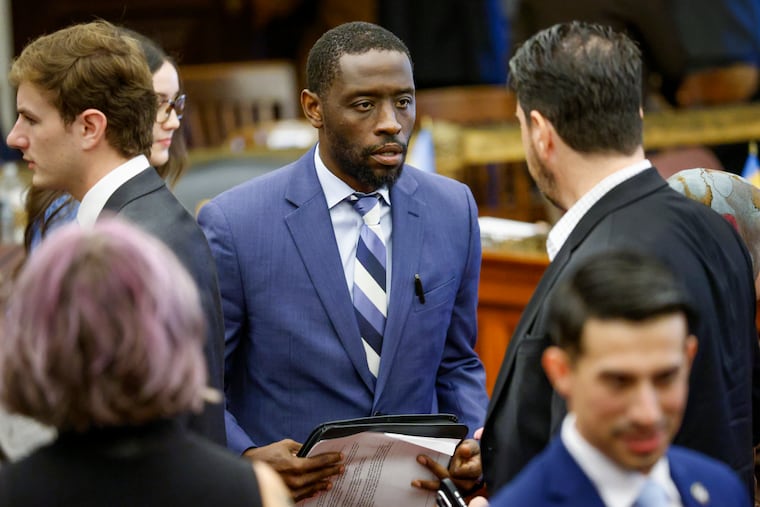
Philly City Council advances legislation allowing members to retain their positions while campaigning for Congress.
The Philadelphia City Council is making a renewed effort to amend the city’s longstanding resign-to-run rule, which has historically mandated that elected officials vacate their positions when campaigning for higher office. This initiative marks the fourth attempt in two decades by lawmakers to modify the 70-year-old regulation. However, the current proposal, which recently moved forward in committee, introduces a significant caveat: it permits Council members to retain their seats only if they are pursuing state or federal offices such as Congress or the state General Assembly, while still requiring resignation for those seeking city-level positions like mayor or district attorney.
This legislative amendment responds to previous attempts to abolish the resign-to-run rule entirely, which were met with voter rejection in 2007 and 2014. Councilmember Isaiah Thomas, who sponsored the current legislation, expressed optimism about this compromise, suggesting it holds a greater chance of success than earlier proposals. He previously advocated for a complete repeal but has now focused on narrowing the rule’s implications, aiming to strike a balance that resonates with public sentiment.
The resign-to-run rule, a staple of Philadelphia’s Home Rule Charter since its inception in 1951, was established to prevent conflicts of interest during election cycles. Supporters assert that public officials should not influence governance while vying for other positions. Conversely, critics argue that the regulation acts as a barrier for potential candidates who cannot afford the financial impact of resigning from their current roles. This issue has previously culminated in significant turnover within City Council, as evidenced by the six members, including now-Mayor Cherelle L. Parker, who resigned in 2022 to run for mayor, complicating the body’s legislative functions.
As this newest effort unfolds, ethical considerations have emerged. Multiple members of the Board of Ethics have voiced opposition to the legislation as currently proposed, highlighting various technical concerns regarding its implementation. Councilmember Thomas has indicated a willingness to address these concerns and aims to see a ballot question on the issue in the upcoming 2026 primary election.
While some Council members support the proposed change, contending that state and federal officials do not face similar restrictions, there are calls for more comprehensive reform. Good-government advocates emphasize the necessity for a thorough examination of the resign-to-run rule and any proposed adjustments. They argue that such changes should include term limits for Council members to foster more accountable governance. As the Council deliberates on this contentious issue, the debate surrounding the resign-to-run rule underscores broader conversations about political ethics and the accessibility of public office in Philadelphia.
This potential change in legislation reflects ongoing dynamics within local politics, addressing both the practicalities of governance and the ethical frameworks guiding elected officials. The outcome of this initiative may significantly impact the future landscape of political candidacy in Philadelphia, challenging long-held traditions in pursuit of modern electoral fairness.