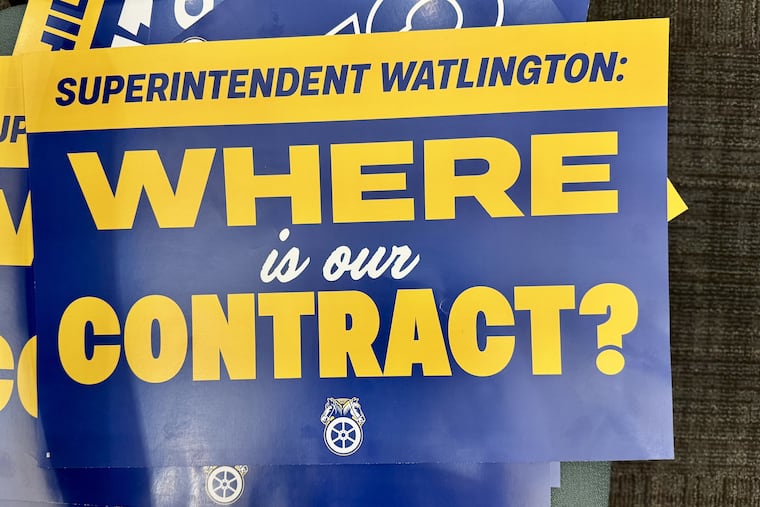
Philadelphia principals without contracts for months call for action in school board meeting.
In a significant demonstration of unity and resolve, principals from the Philadelphia School District expressed their frustrations and demands during a recent school board meeting, highlighting the ongoing contract negotiations that have left them without an agreement for nearly three months. The gathering saw numerous administrators rallying with signs and chants, aiming to convey their message directly to the school board and district leadership.
Robin Cooper, president of the Commonwealth Association of School Administrators (CASA) and Teamsters Local 502, voiced the collective sentiments of the nearly 1,000 members they represent, which include principals, assistant principals, and climate managers. Cooper criticized the district for what she described as negotiations conducted in bad faith, urging for recognition of the hard work and dedication of school administrators in transforming the district.
The urgency of the situation has been amplified by recent public demonstrations and attendance at municipal hearings. Notably, members of CASA participated in a City Council hearing where questions were directed toward Superintendent Tony B. Watlington Sr. regarding the lack of a contract with CASA. Both the Superintendent and board president, Reginald Streater, refrained from making public comments about the negotiations.
Despite assurances from Watlington that administrators are valued and that a resolution is forthcoming, there remains a palpable sense of frustration among CASA members. The latest negotiating session yielded little progress, with the district reiterating previous proposals that failed to address key issues, particularly wage equity. Cooper highlighted deep concerns regarding compensation structures, noting that new hires are often earning similar salaries to seasoned personnel, and some administrators are compelled to accept pay cuts, despite the responsibilities that come with their positions.
The urgency of these negotiations is further underscored by the recent expiration of CASA’s contract on August 31, coinciding with similar expirations for other unions such as the Philadelphia Federation of Teachers. While these other unions have reached agreements, CASA continues to press for fair terms, particularly regarding wages.
Attendees at the meeting also expressed broader concerns related to facility management within the district. Superintendent Watlington announced an extension of the timeline for input on facility plans, postponing discussions originally scheduled for the month that may involve school closures. Current data indicates a significant excess of 70,000 seats within the district, coupled with a number of older buildings in unfavorable conditions, further complicating the district’s future planning.
In addition to contract negotiations and facilities concerns, parents voiced their apprehensions regarding the district’s wellness policies. A proposed policy aimed at ensuring student access to restroom and water facilities, alongside designated lunch periods, was met with significant public interest, prompting further examination and discussion among board members. Advocates for student wellness, including parent groups, expressed the importance of these measures, advocating for structural changes rather than individual accountability for perceived administrative failures.
As the Philadelphia School District navigates these pressing issues, the interplay between negotiations, community feedback, and the well-being of students remains at the forefront of discussions aimed at creating a better educational environment.
Media News Source.