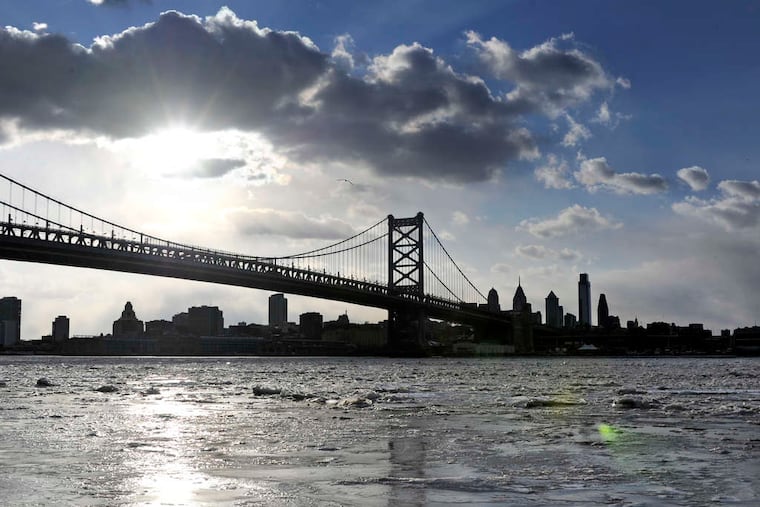
New Jersey coastal regions impacted by toxic facilities, according to findings from two recent studies.
Recent studies highlight the alarming implications of rising sea levels in New Jersey, forecasting substantial environmental challenges for the state. As the Garden State grapples with increasing coastal vulnerabilities, two significant research efforts shed light on the potential flooding of toxic sites and the severe erosion of shorelines.
A comprehensive study conducted by Climate Central, a nonprofit organization led by scientists, underscores New Jersey’s precarious situation. The analysis reveals that the state, characterized by multiple coastlines—from Delaware Bay to the Hudson River—is primed for the second-highest exposure to flooding risks at industrial and hazardous sites in the nation. This heightened risk is largely attributed to the concentration of chemical plants, Superfund sites, sewage treatment facilities, and fossil fuel ports situated along the state’s shores.
In a parallel study by Rutgers University, researchers project that New Jersey is anticipated to experience sea-level rise at nearly three times the global average in the coming decades. According to the findings, by 2050, an estimated 420 industrial and hazardous facilities could be threatened by flooding, with that figure climbing to 492 by 2100. This places New Jersey behind only Louisiana, which may see 1,632 facilities at risk two decades from now.
Middlesex, Bergen, and Essex counties are particularly vulnerable, given their proximity to densely populated areas near significant ports such as Newark and New York. Numerous industrial facilities across Burlington, Camden, and Gloucester Counties are also poised for inundation, potentially subjecting them to repeated flooding due to their locations along the Delaware River.
Research indicates that certain communities face disproportionate dangers, with marginalized populations—renters, low-income households, seniors, and nonvoters—more likely to live near these at-risk sites. The implications of flooding extend beyond immediate property damage; hazardous materials from industrial sites could exacerbate environmental crises during significant flood events.
Additionally, a report released by the New Jersey Climate Change Resource Center affirms that, under a moderate emissions scenario, the state is likely to confront a sea-level rise ranging from 2.2 to 3.8 feet by 2100. The state’s coastlines are also expected to undergo significant erosion, which poses challenges for ongoing protective efforts, particularly in economically disadvantaged neighborhoods. As wetlands, critical for protecting habitats and mitigating storm surges, face serious threats from accelerated sea-level rise, the urgency for comprehensive and equitable climate adaptation strategies is more pronounced than ever.
The findings of these studies underscore the pressing need for action amidst mounting evidence of climate change’s impact on New Jersey’s coastlines. As sea levels rise and environmental risks escalate, the state’s approach to climate resilience will be critical in safeguarding both people and the ecological health of the region.