Former HR and DEI director of art museum charged with theft for allegedly using company credit card for ,000 in personal expenses.
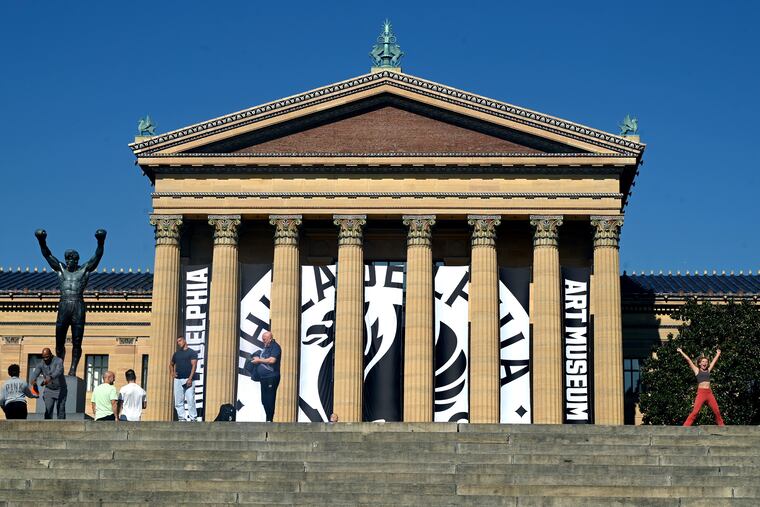
The Philadelphia Art Museum is currently embroiled in controversy following the arrest of its former Chief People and Diversity Officer, Latasha Harling, who has been charged with theft involving the misappropriation of over ,000 in funds. This troubling development has emerged in the wake of significant upheaval within the institution, raising concerns about the financial governance and oversight processes at this prominent cultural establishment.
Harling, 43, resigned from her position at the museum approximately six months prior to her arrest in July, which was prompted by allegations that she used a company credit card for personal expenses totaling ,885.98 without appropriate reimbursement. The charges, which include theft by unlawful taking and theft by deception, were not previously disclosed by the museum, shedding light on potential lapses in accountability among senior executives.
The situation at the Philadelphia Art Museum escalated further when, on November 4, 2023, the museum’s director and CEO, Sasha Suda, was dismissed following an external investigation into her compensation practices. Suda has since initiated legal action against the museum, alleging that she was unjustly terminated in a maneuver orchestrated by a small faction of the board that initiated a flawed investigation into her conduct. In its response to Suda’s lawsuit, the museum claimed that her termination was due to misappropriation of funds.
The museum’s legal troubles continue to unfold, with both former executives facing serious allegations that could impact the institution’s reputation and operations. As Harling’s case progresses through the Philadelphia criminal court system, questions surrounding the museum’s financial practices come into sharper focus.
Harling’s professional background at the museum includes overseeing human resources, implementing diversity initiatives, and managing financial responsibilities. Despite her role, audits conducted on her financial activities revealed significant discrepancies, prompting the museum’s CFO to act. Following the discovery of unauthorized charges, the museum attempted to negotiate repayment with Harling, who subsequently resigned without fulfilling the terms of payment proposed.
In February, after agreeing to reimburse a portion of the funds, Harling failed to make any payments, which led the museum to report the matter to law enforcement. Investigative efforts by the police ultimately resulted in criminal charges against her.
As this case develops, the Philadelphia Art Museum must address not only the immediate fallout from these incidents but also the broader implications for its governance and accountability structures. Public trust in cultural institutions like the Philadelphia Art Museum hinges on transparency and ethical conduct, making the resolution of these matters critical for the museum’s future.
The ongoing legal proceedings and their consequences will be closely monitored as they may significantly influence the institution’s operational landscape and public perception in the years to come. The ramifications of these events extend beyond individual responsibilities, potentially impacting funding, community support, and the overall stability of the museum.
Media News Source