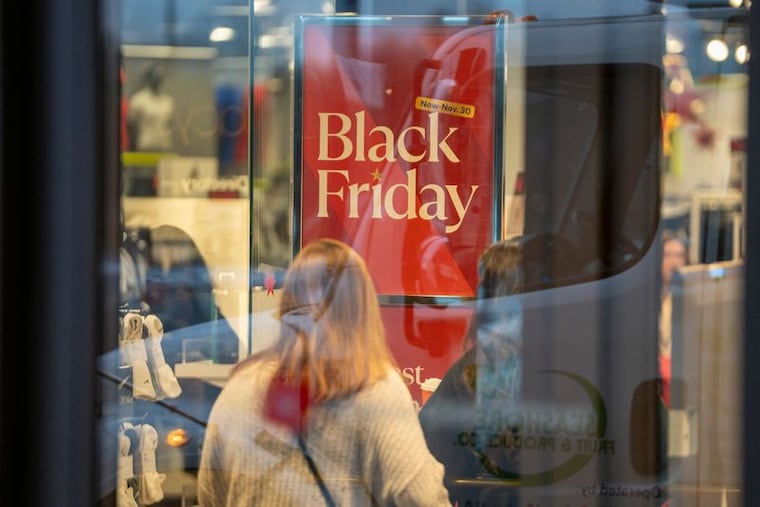
High prices may limit bargains for record crowds expected during this year’s Black Friday shopping in the U.S.
As the holiday shopping season approaches, expectations for Black Friday and the subsequent shopping weekend indicate record turnout, although consumer spending is anticipated to be more restrained. A recent projection by the National Retail Federation (NRF) suggests that approximately 186.9 million Americans will shop during the five-day period from Thanksgiving to Cyber Monday, an increase from 183.4 million in the previous year. Despite this surge in foot traffic, retailers may see a slowdown in sales growth compared to 2022, with forecasts predicting an increase of 3.7% to 4.2% in November and December, down from last year’s rise of 4.8%.
This year’s Thanksgiving falls on November 27, granting retailers an extended window to capitalize on holiday sales, which typically contribute around one-third of their annual profits. Many major retailers have initiated early promotional campaigns in response to anticipated consumer behavior. Walmart launched sales on November 14, which will unfold in three phases until December 1, providing early access to Walmart+ members. Similarly, Amazon and Macy’s have begun their holiday deals, with the latter establishing a specific Black Friday portal.
Despite the surge in shopper numbers, many consumers express concerns about rising prices leading to a more cautious approach in their purchasing decisions. Individuals like Kate Sanner, a New Yorker and online resale aggregator, have noted that the increased costs are dissuading them from splurging during sales events. Sanner plans to lower her holiday budget significantly from 0 last year to 0, focusing her spending on select deals rather than widespread promotions.
The financial landscape for consumers presents a paradox; while many intend to curb discretionary spending due to rising costs of living and healthcare premiums, household savings remain robust. Data from Bank of America indicates that individuals across various income brackets hold more savings than prior to the COVID-19 pandemic, reflecting a stabilizing financial position. Yet, sentiment among consumers appears mixed, with fewer individuals feeling confident in their purchasing capacity compared to previous years.
Consumers are expected to spend an average of 0 on gifts and seasonal items, a slight decline from 2 in 2022. A significant shift is noted among shoppers, with nearly two-thirds of those surveyed indicating they plan to wait for Thanksgiving weekend deals, a rise from 59% in the previous year. This trend is particularly pronounced among older demographics.
The retail environment this year presents additional complexities, with analysts noting reduced promotional activities from certain retailers. Edgar Dworsky, a consumer advocate, highlights the unpredictability around shopping for deals as early promotions may not guarantee future discounts on popular items. Jessica Ramirez, a brand consultant, has observed a concerning decrease in deep discounts historically associated with brands like Kohl’s and Macy’s, leading to a retail atmosphere marked by caution.
In contrast, major retailers, including Walmart, are still promoting substantial price cuts, such as discounts on TVs and outdoor grills. Consumers weighing their options will likely navigate an evolving landscape characterized by both opportunities and challenges as they approach the crucial holiday shopping period.
As the retail sector adjusts to changing consumer behavior, the impact of these trends will be closely monitored as the season unfolds. The balance between high expectations for turnout and cautious spending will ultimately shape the success of this critical period for retailers across the nation.