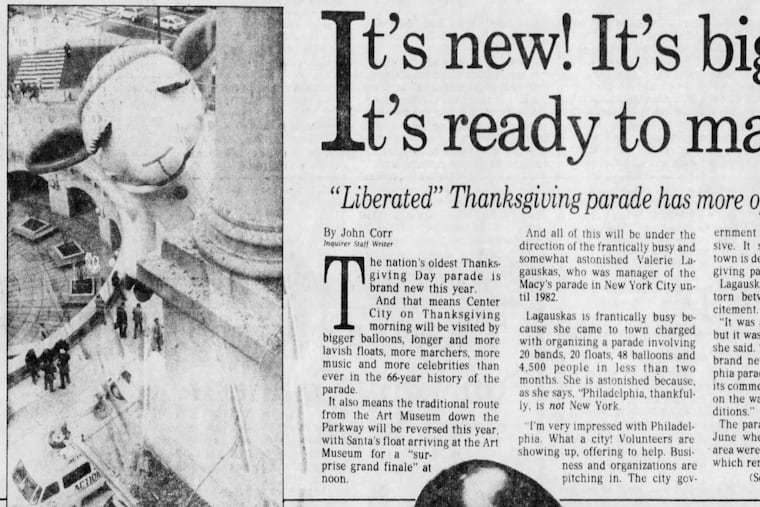
Philly faced potential cancellation of its Thanksgiving Day parade in the past due to various challenges and concerns.
The city of Philadelphia has a storied history with its Thanksgiving Day parade, having only missed the event on two occasions since its inception in 1920—once due to inclement weather and once because of a global pandemic. However, a significant challenge arose nearly four decades ago when corporate sponsorship threatened this cherished tradition.
The nation’s oldest Thanksgiving parade began humbly, organized by Gimbel Brothers Department Store. For over six decades, the event culminated in Santa Claus climbing into the store’s window at Ninth and Market Streets, symbolizing the start of the holiday season for countless Philadelphians.
This tradition faced a critical turning point in 1986. By this time, Gimbels was struggling financially and was acquired, with plans to transition its Philadelphia locations to Stern’s department stores. However, Stern’s management showed little interest in continuing the long-standing parade tradition. A proposed deal for sponsorship fell through, leaving city officials in a precarious position, especially with planning timelines pressing against them.
As the deadline of August 15 for float orders loomed, officials expressed their commitment to keep the parade alive. Ann Stuart, a Gimbel executive, noted that preparations were underway, contradicting the claims made by Stern’s executive team. Despite the lack of interest from the new corporate owner, the outcry from the community and media underscored the importance of the parade as a holiday staple.
After weeks of deliberation, with several local companies declining sponsorship due to concerns over costs and publicity, a solution was finally found. On October 10, 1986, WPVI (Channel 6) became the new lead sponsor of the parade, much to the relief of city officials and local residents who feared the loss of a beloved tradition.
Under the new management of parade coordinator Valerie Lagauskas, who brought extensive experience from the Macy’s parade, the event underwent significant changes. The parade route flipped direction, ending at the Philadelphia Art Museum, making it more visually appealing for spectators and television viewers. The 1986 event featured 20 bands, 20 floats, and a dozen large balloons, marking a rebirth of the parade with a theme of “We Love a Parade,” led by local sports legend Julius “Dr. J” Erving.
Attendance exceeded expectations, with over 500,000 spectators lining the streets to witness the festivities. The parade proceeded without incident, concluded joyously as Santa arrived to bright weather—a remarkable shift from previous years—and fulfilled the community’s hope of preserving this vital tradition. The successful conversion of the parade showcased the resilience of Philadelphia’s holiday spirit and the importance of community engagement in sustaining cherished celebrations. Media News Source.